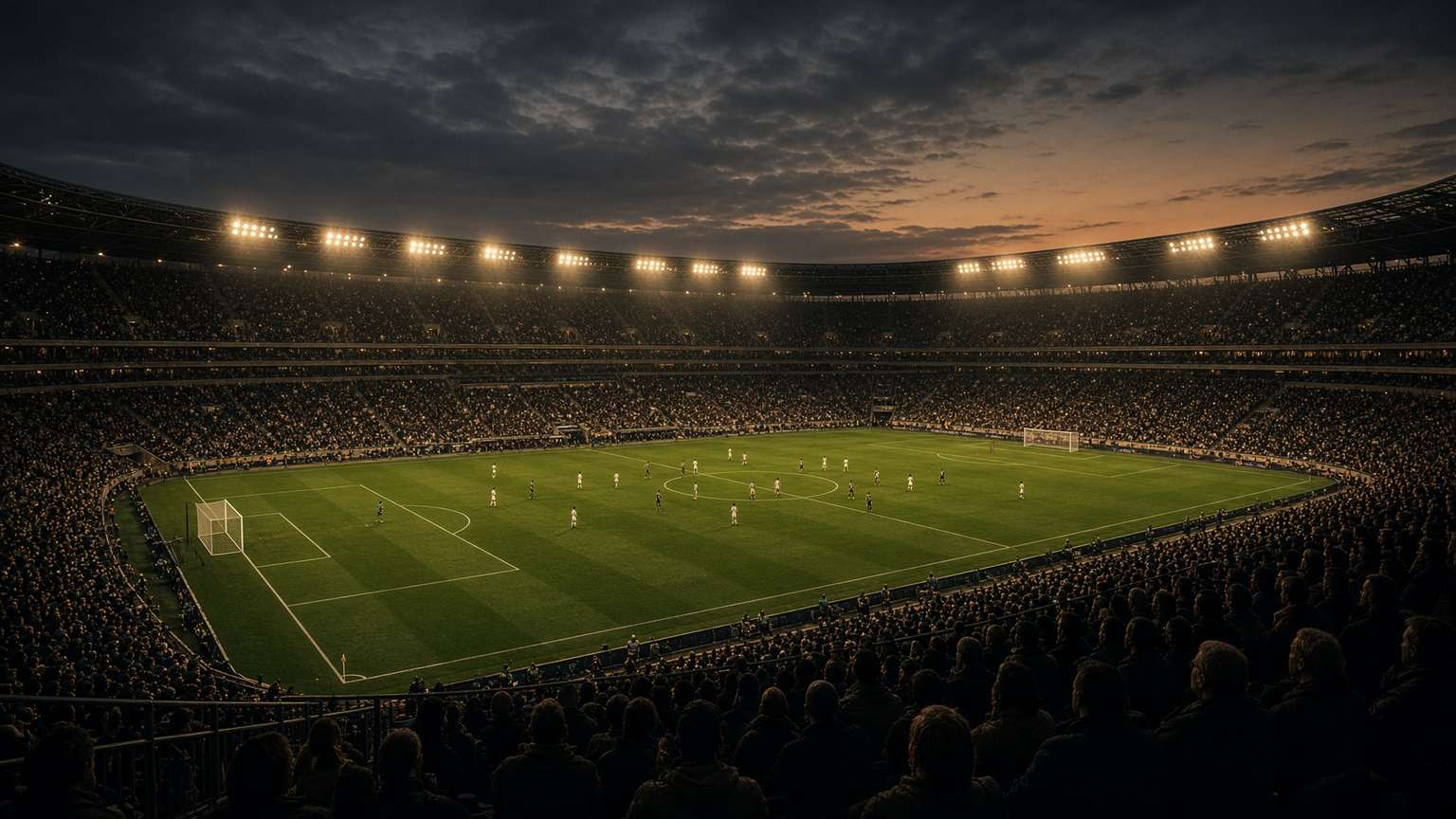
A full bowl, a narrow game: reading the Seville derby
Sevilla and Real Betis do not need a spectacle to make a serious match. The useful preview is about the first press, not the last chance.
Blog
The full desk, newest writing first. Filter by sport or search a phrase.
Sevilla and Real Betis do not need a spectacle to make a serious match. The useful preview is about the first press, not the last chance.
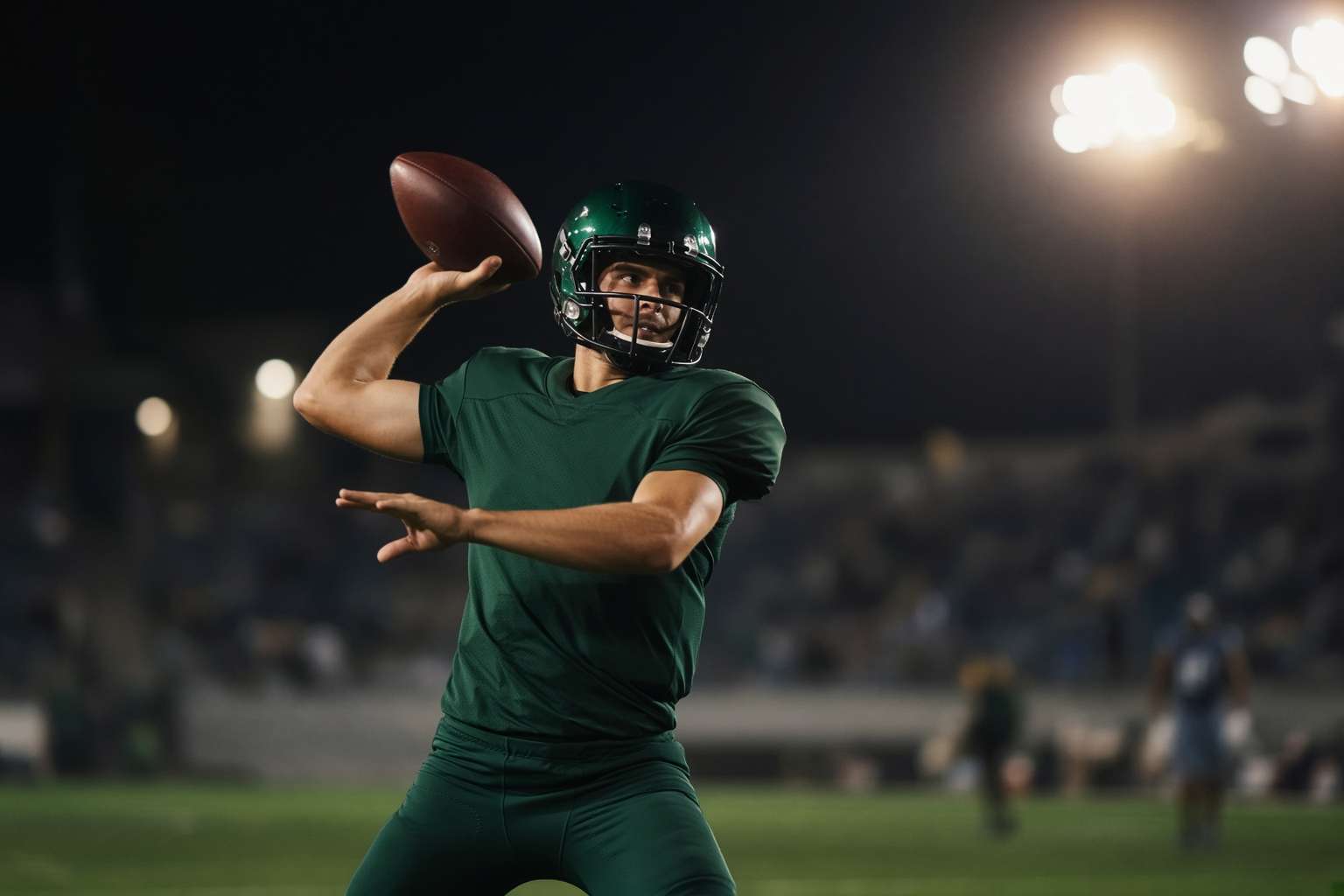
Prime time makes every throw look like a decision. Most of them are about the punt that came before.
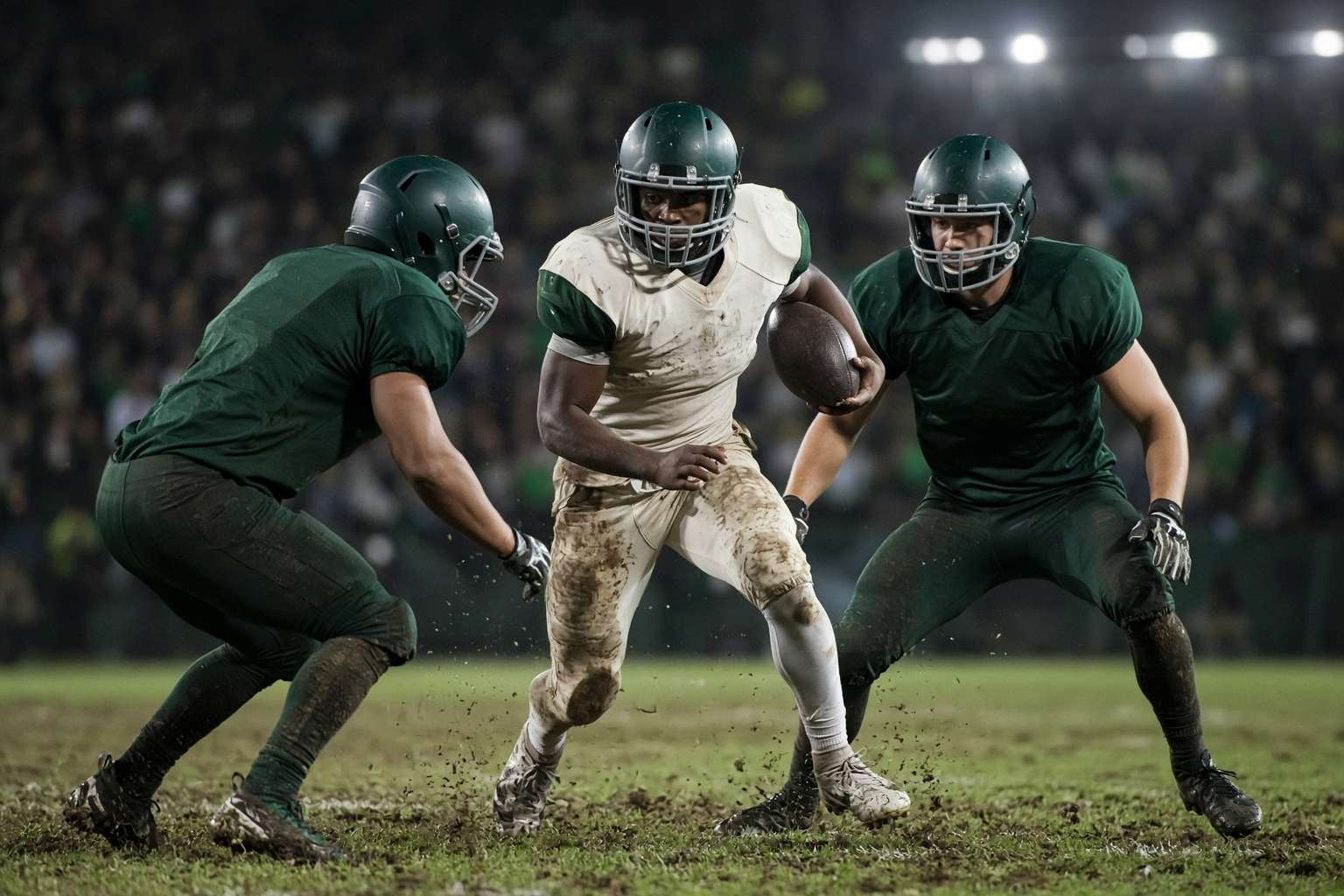
College football in November is not a smaller NFL. The snap count is a weapon, and the crowd is part of the cadence.
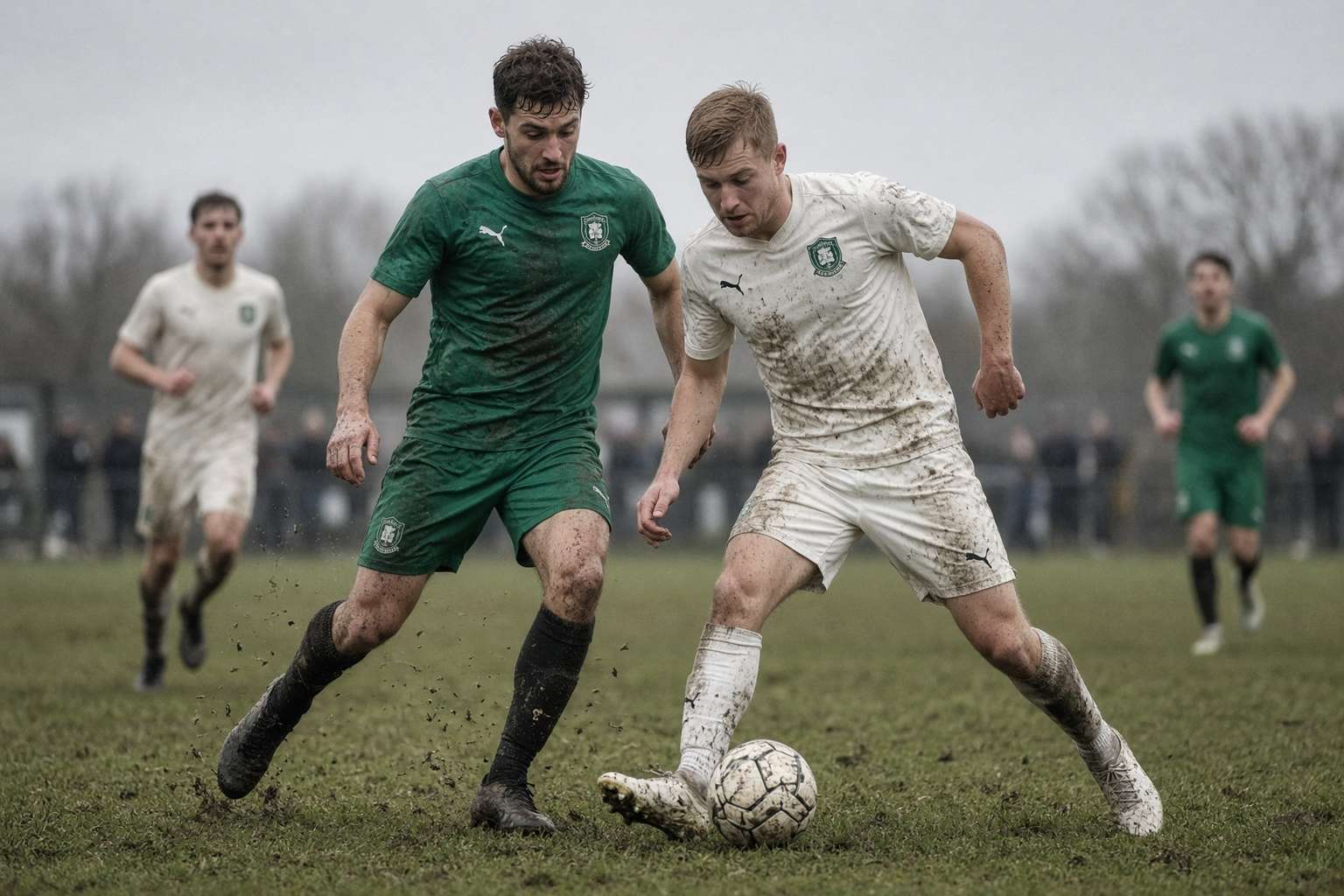
A rotated eleven is not a lesser eleven if the distances between the lines stay honest.
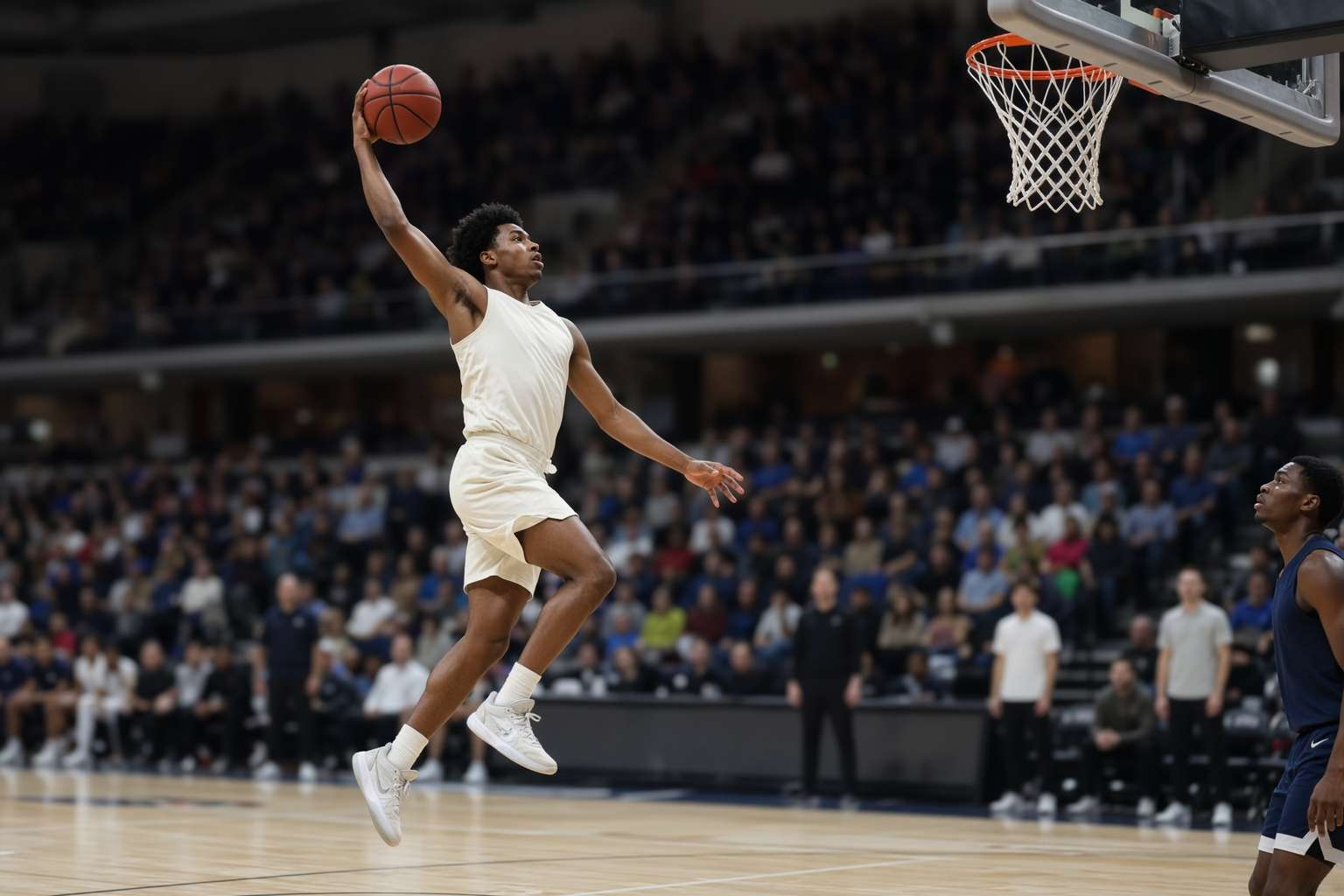
Basketball previews that start with star usage miss the whistle. The early foul on a big decides the rest of the night.
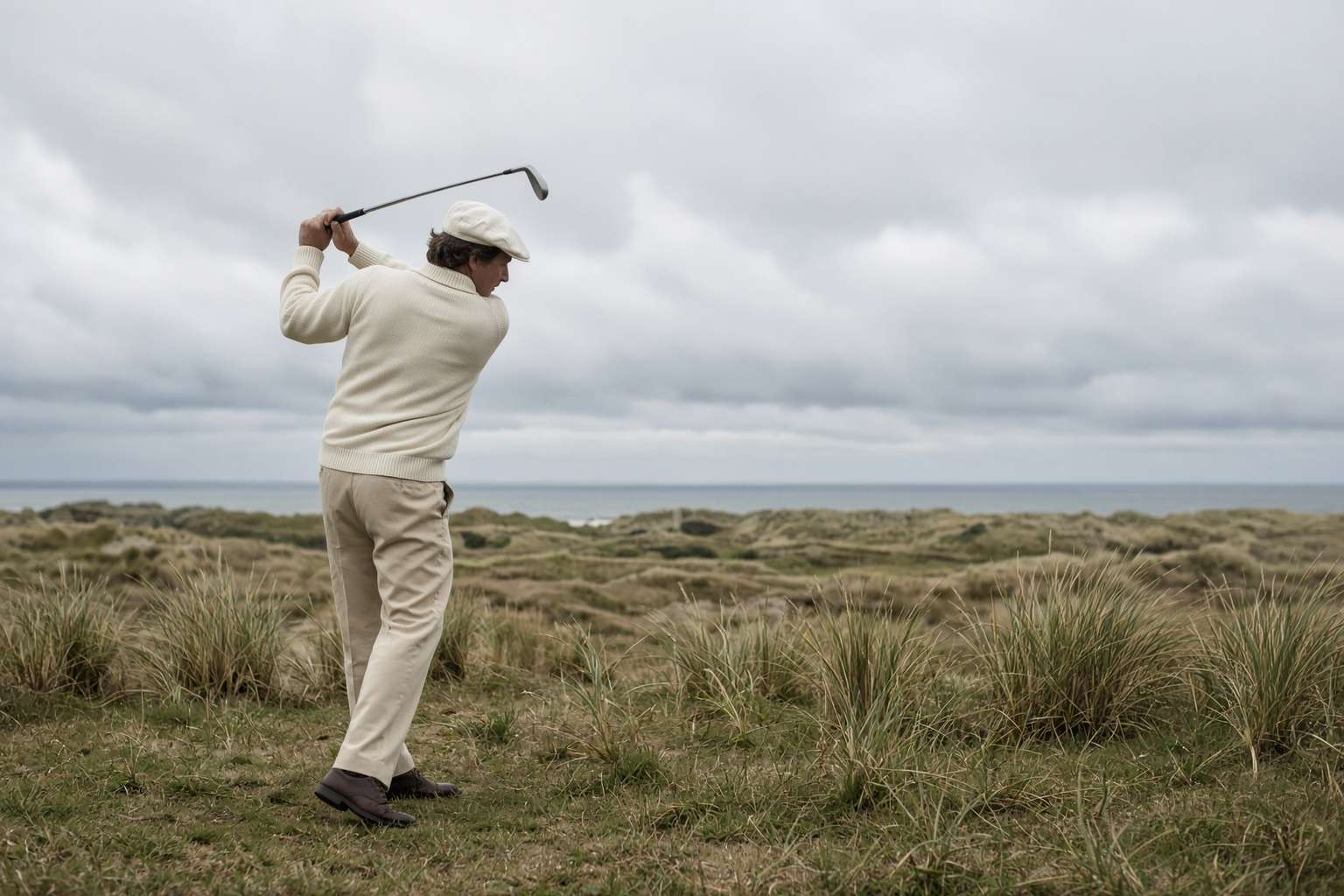
The scoreboard lists birdies. The round was decided by which player accepted a twenty-yard bounce and which player fought it.
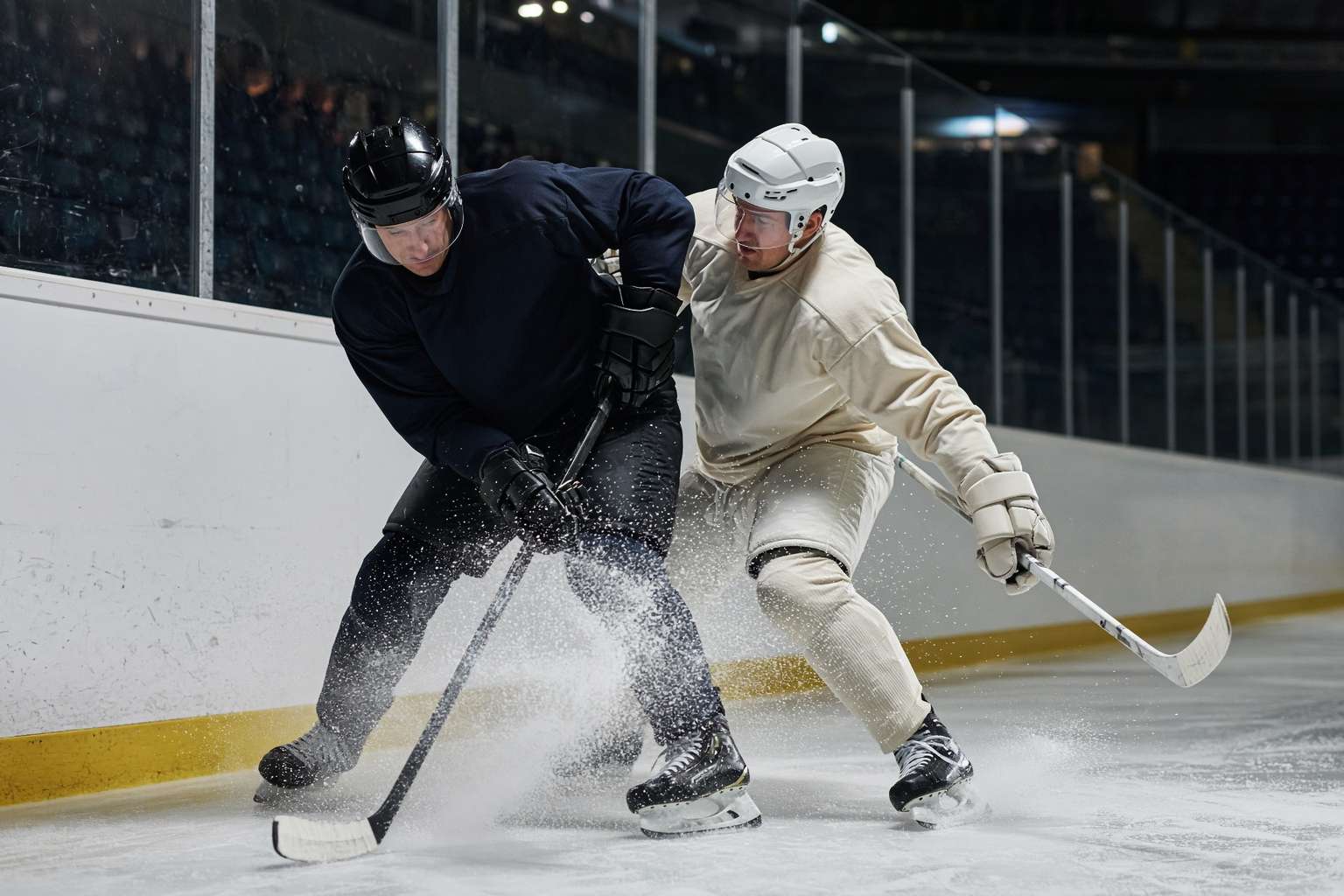
Hockey previews that list only goal scorers miss the game that happens along the glass.
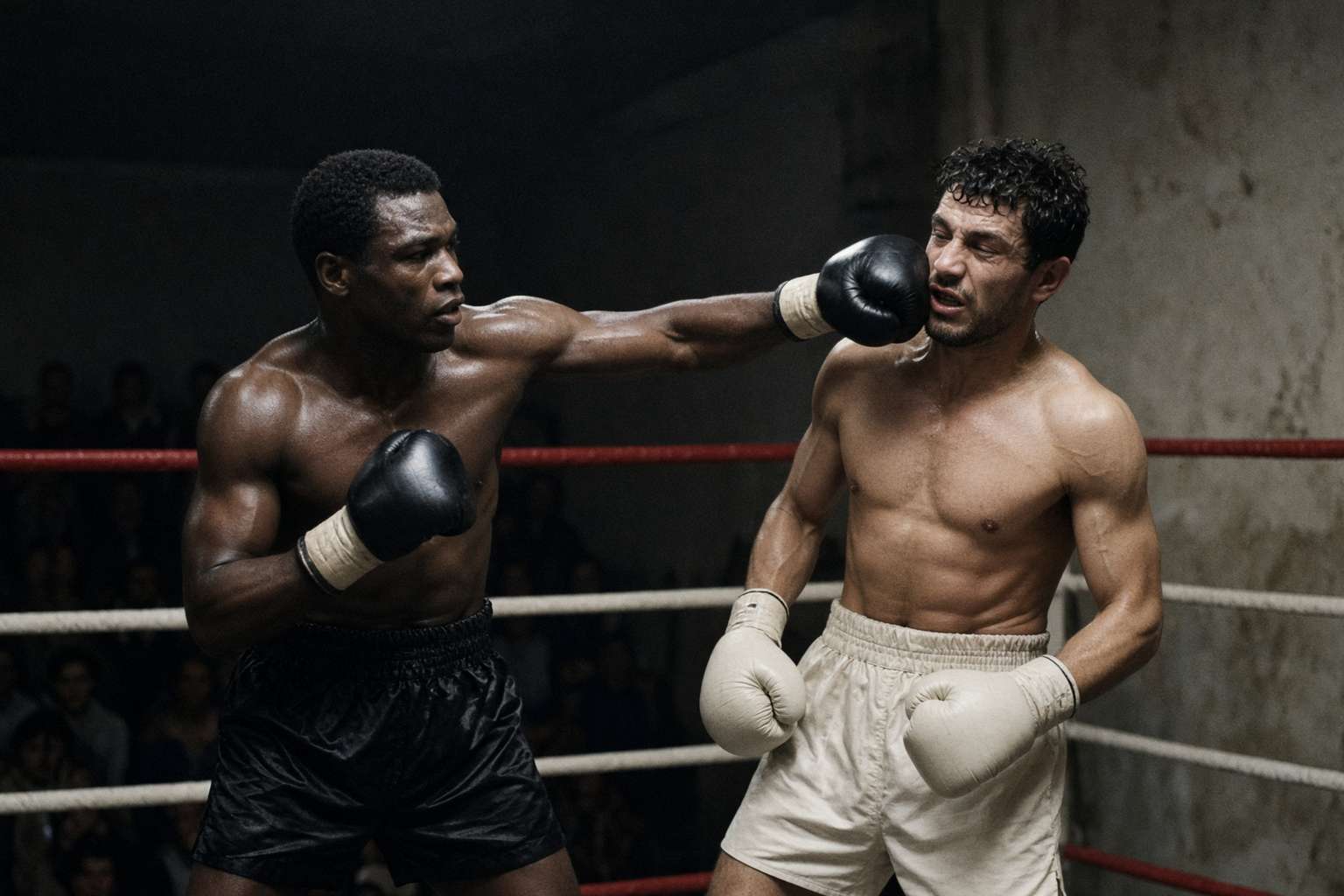
A jab that wins the first four rounds does not trend. It does decide whether the pressure man still has legs in the ninth.
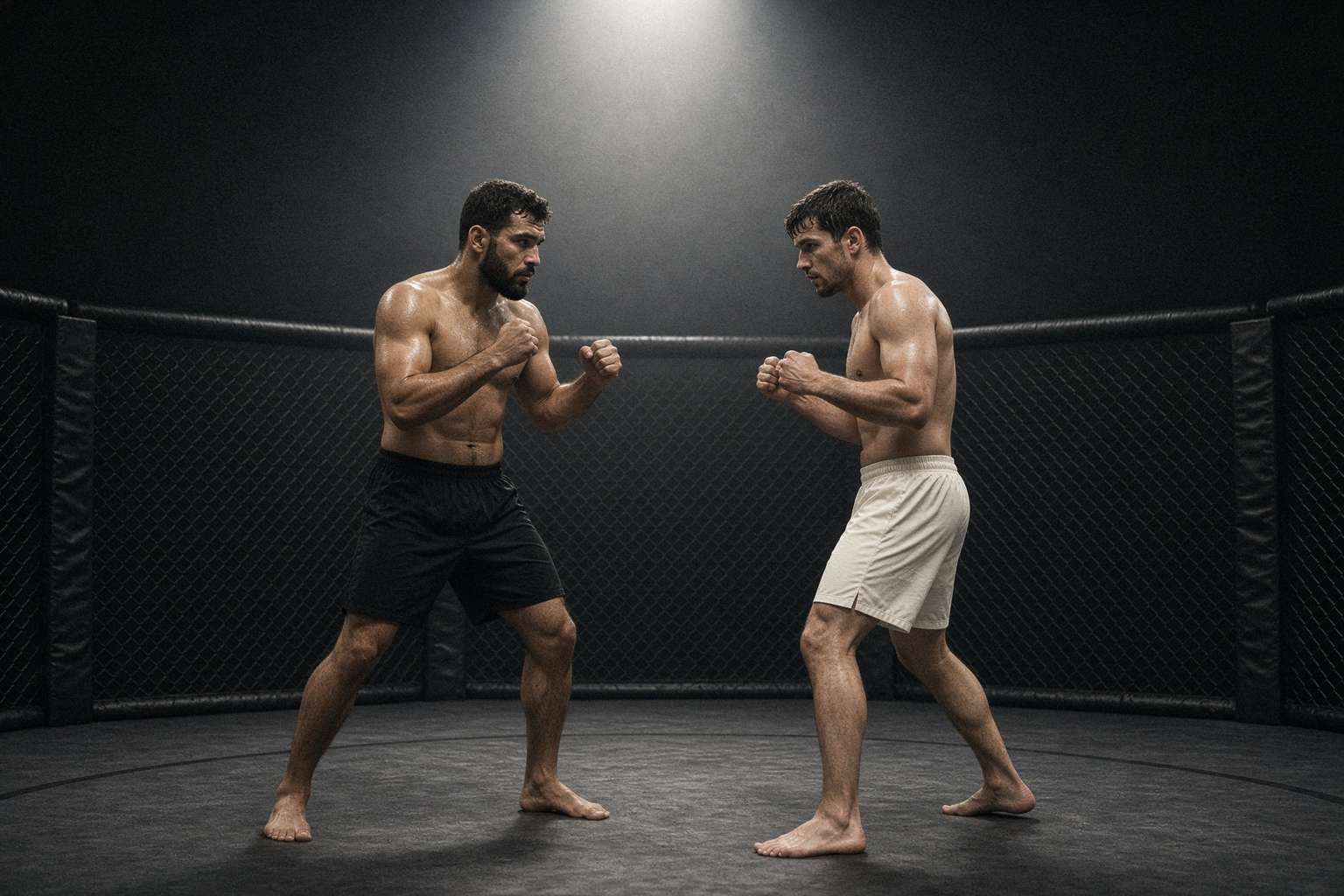
MMA rounds are short. The fighter who has to circle for three of the five minutes is already behind.
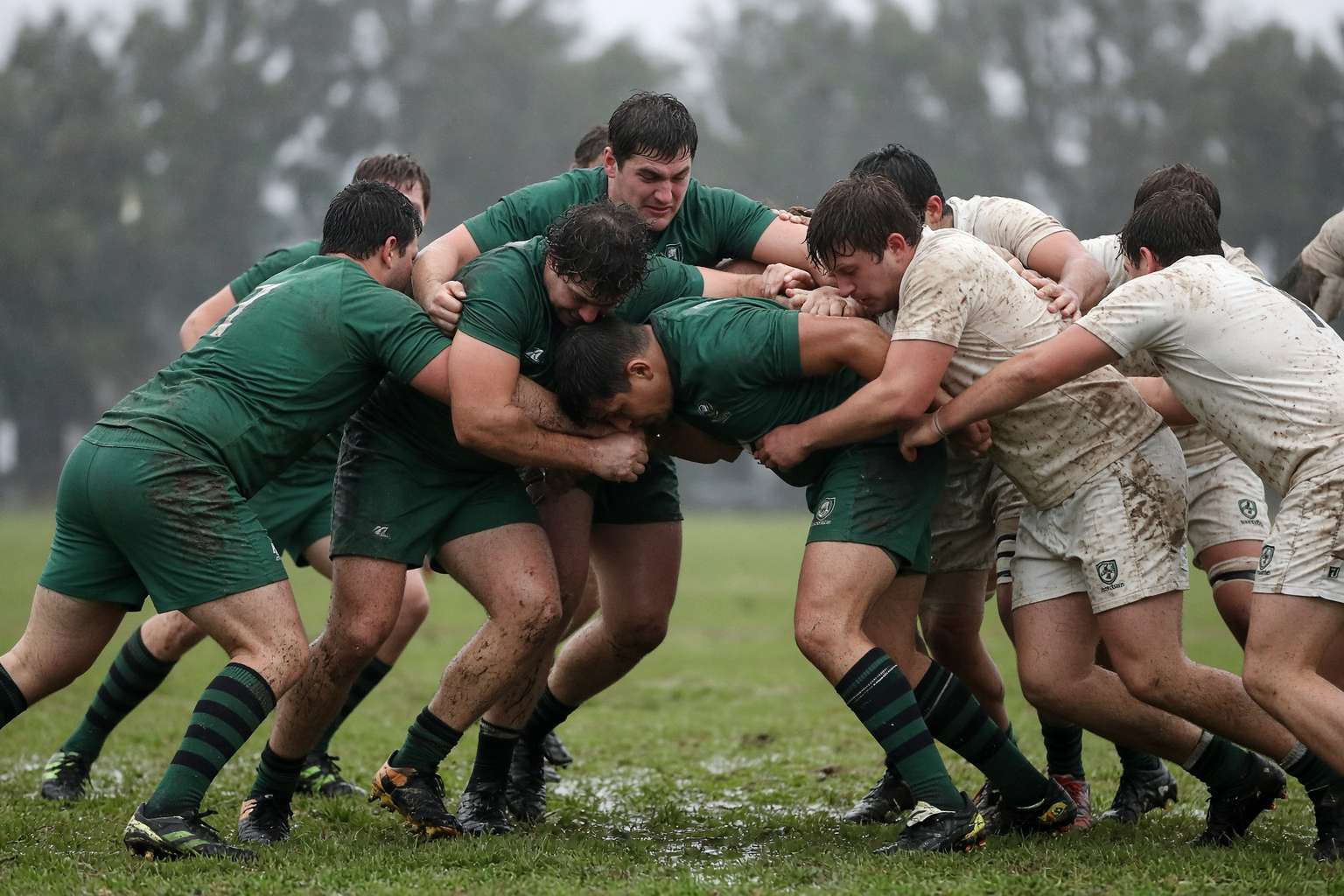
The highlight offload is a dry-day idea. In the rain the next ruck is the whole attack.
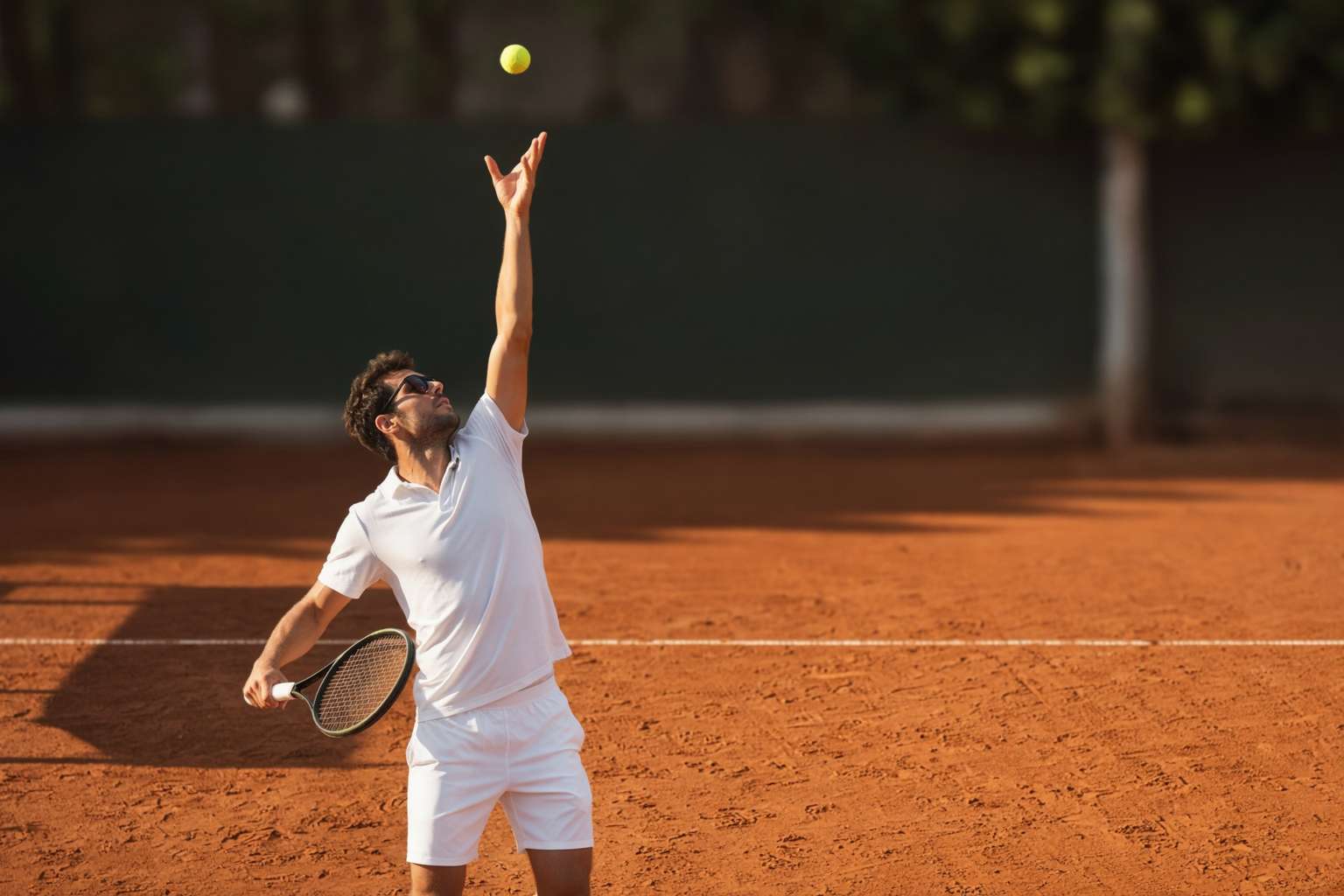
November still has a clay swing if you follow the tour far enough south. The serve changes meaning there.
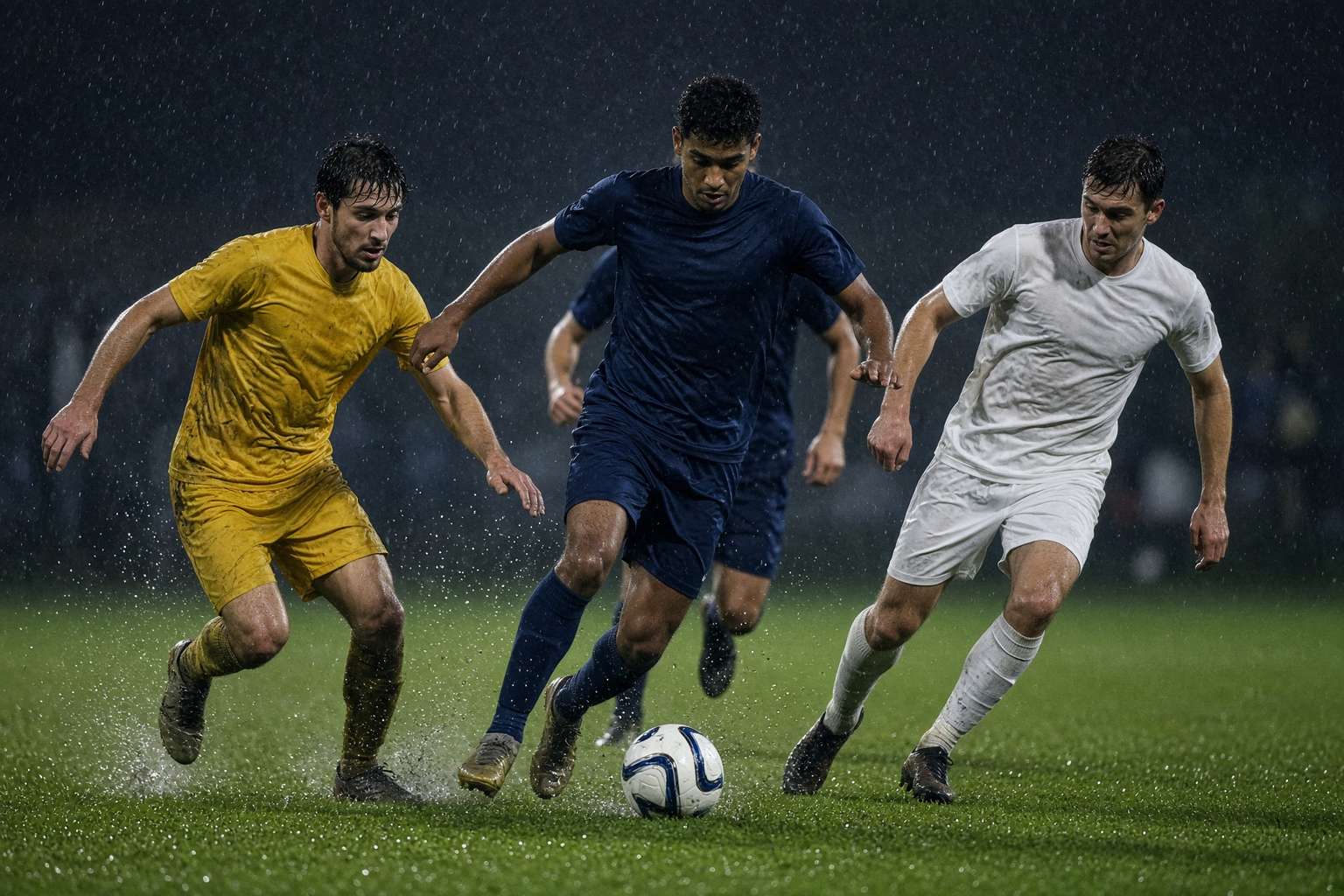
A high line looks brave until the second ball falls in the channel the full-back has already left.
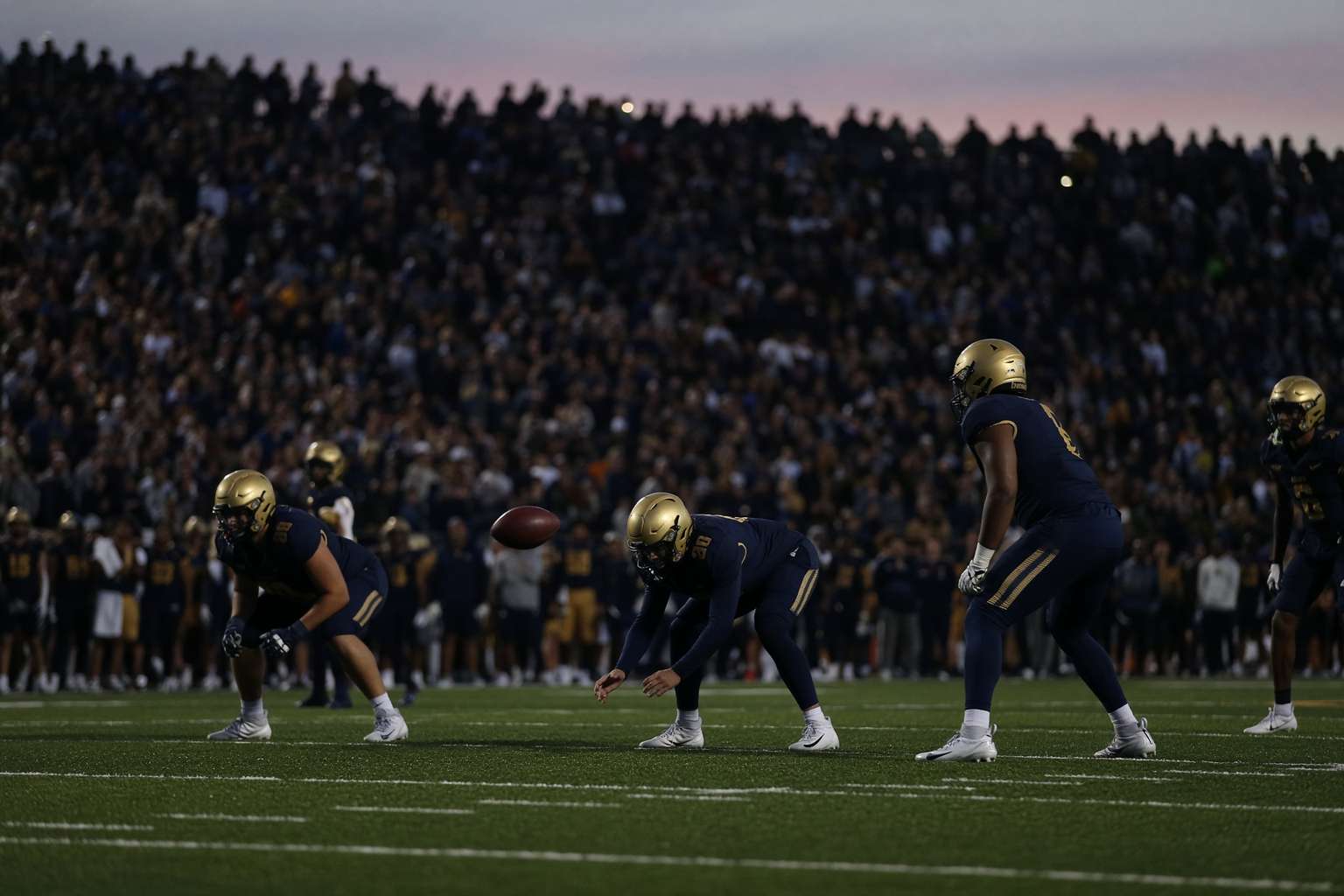
The chart says go. The headset still has to hear itself over the student section.
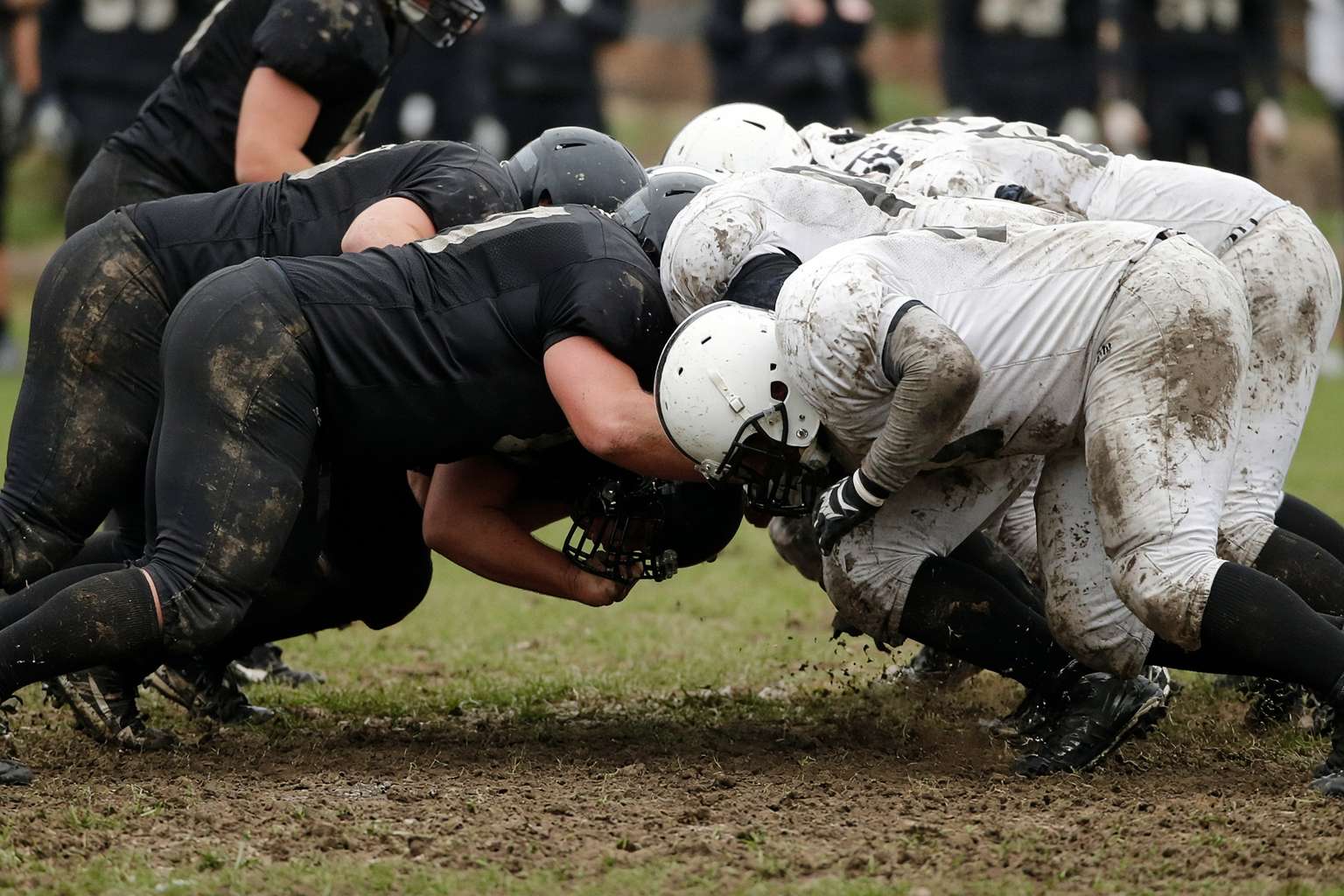
Third and one is a small play with a large opinion. Some offenses declare it. Some disguise a problem.
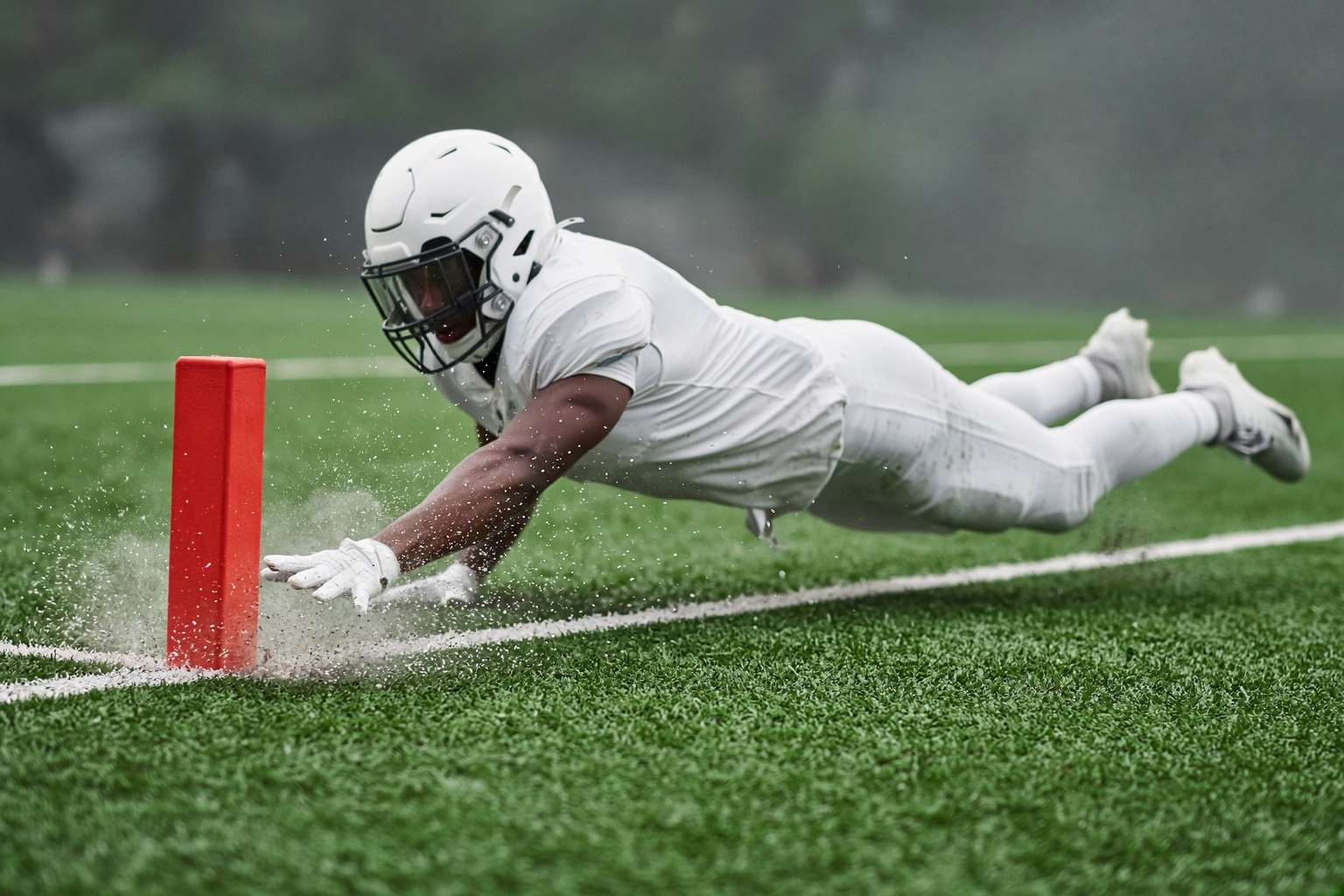
Getting to the twenty is not the same skill as punching it in from the seven.
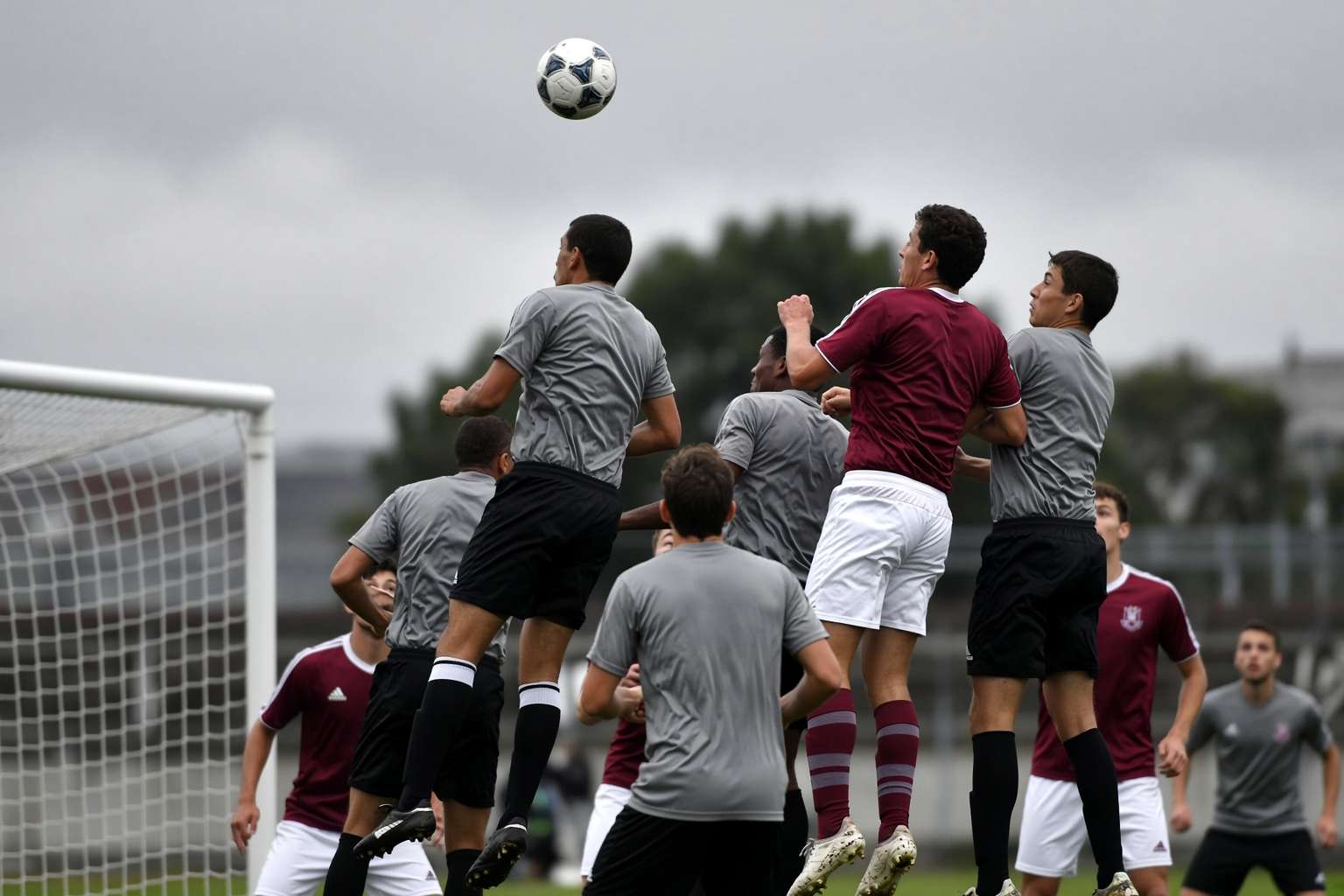
When both teams are tired, the match shrinks to the delivery, the screen, and who attacks the front zone.
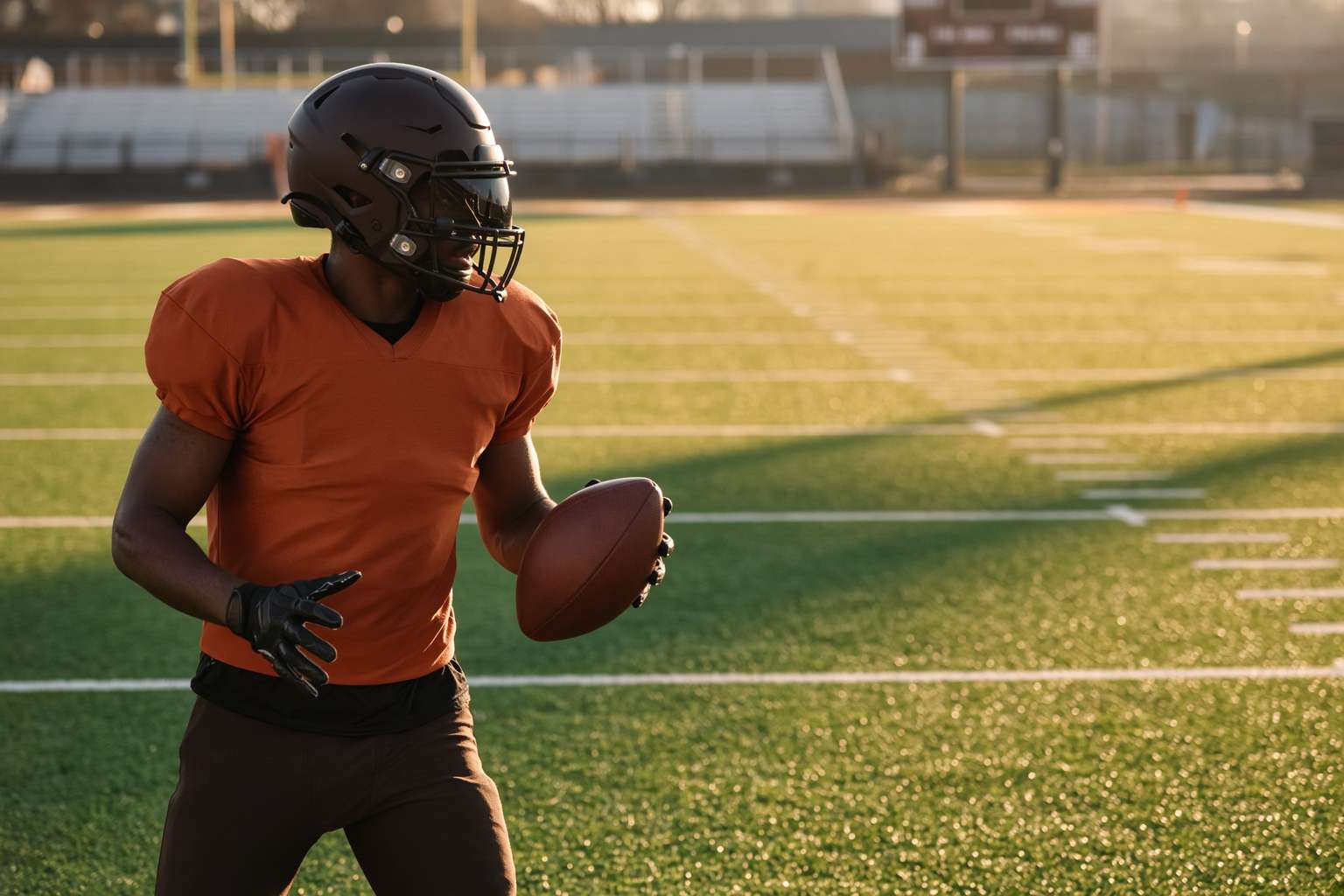
Hurry-up is not the same as rushed. The good ones still have a check at the line.
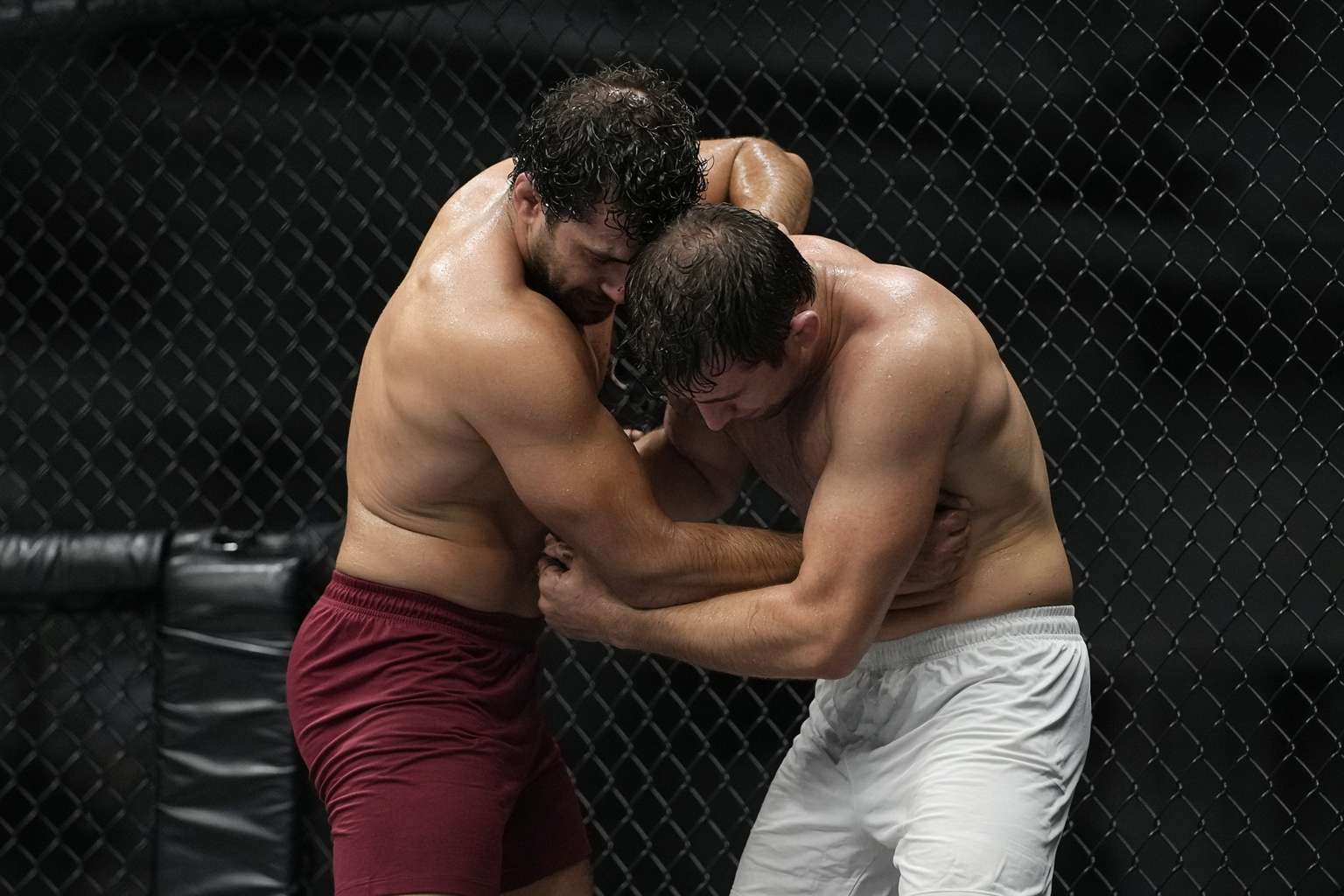
The first round flatters output. The third round asks whether the output had a plan.
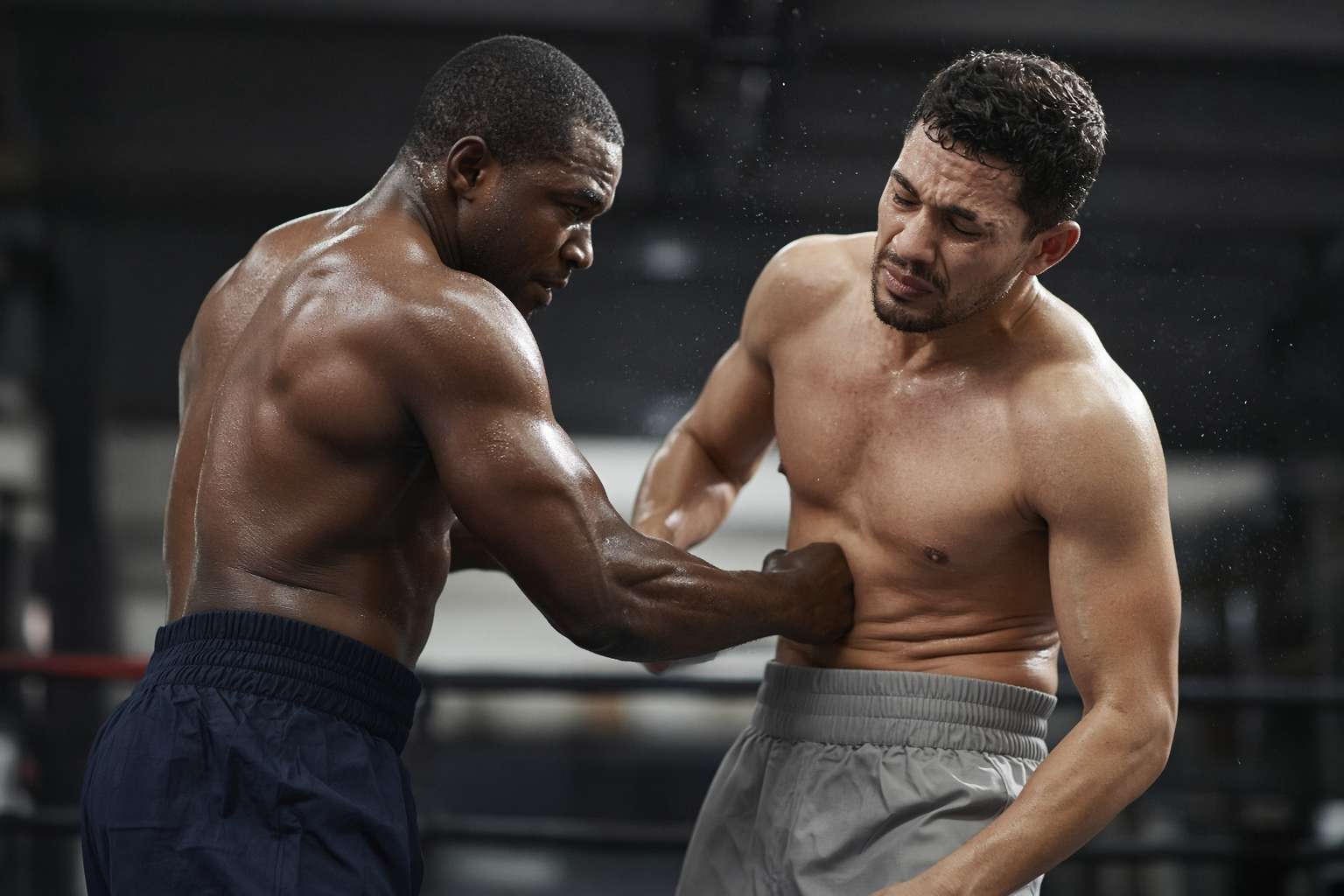
A hook downstairs in the third is a deposit. The withdrawal is the ninth, when the legs disagree with the corner.
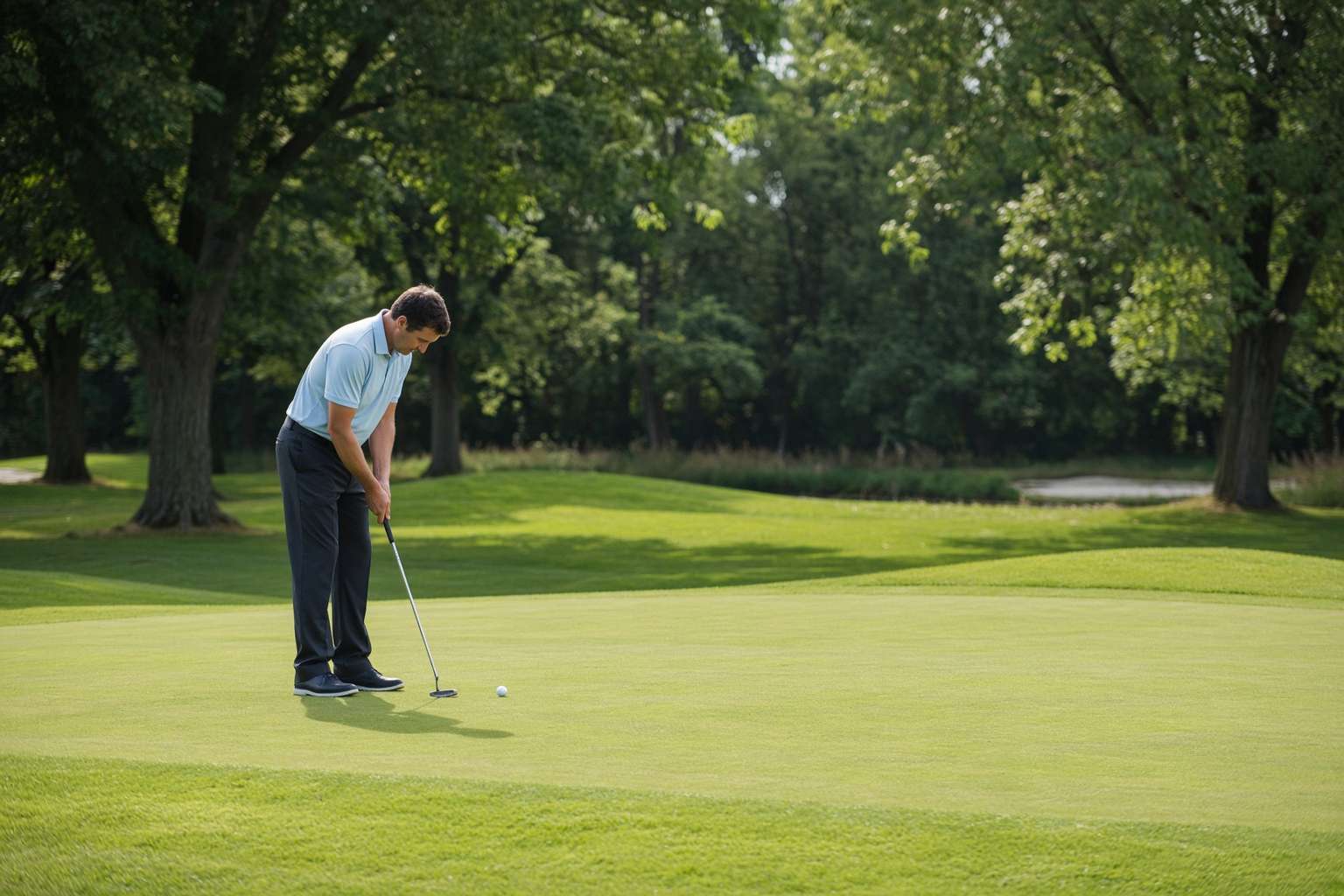
The long hole is not an invitation to swing harder. It is three decisions about where the ball is allowed to finish.
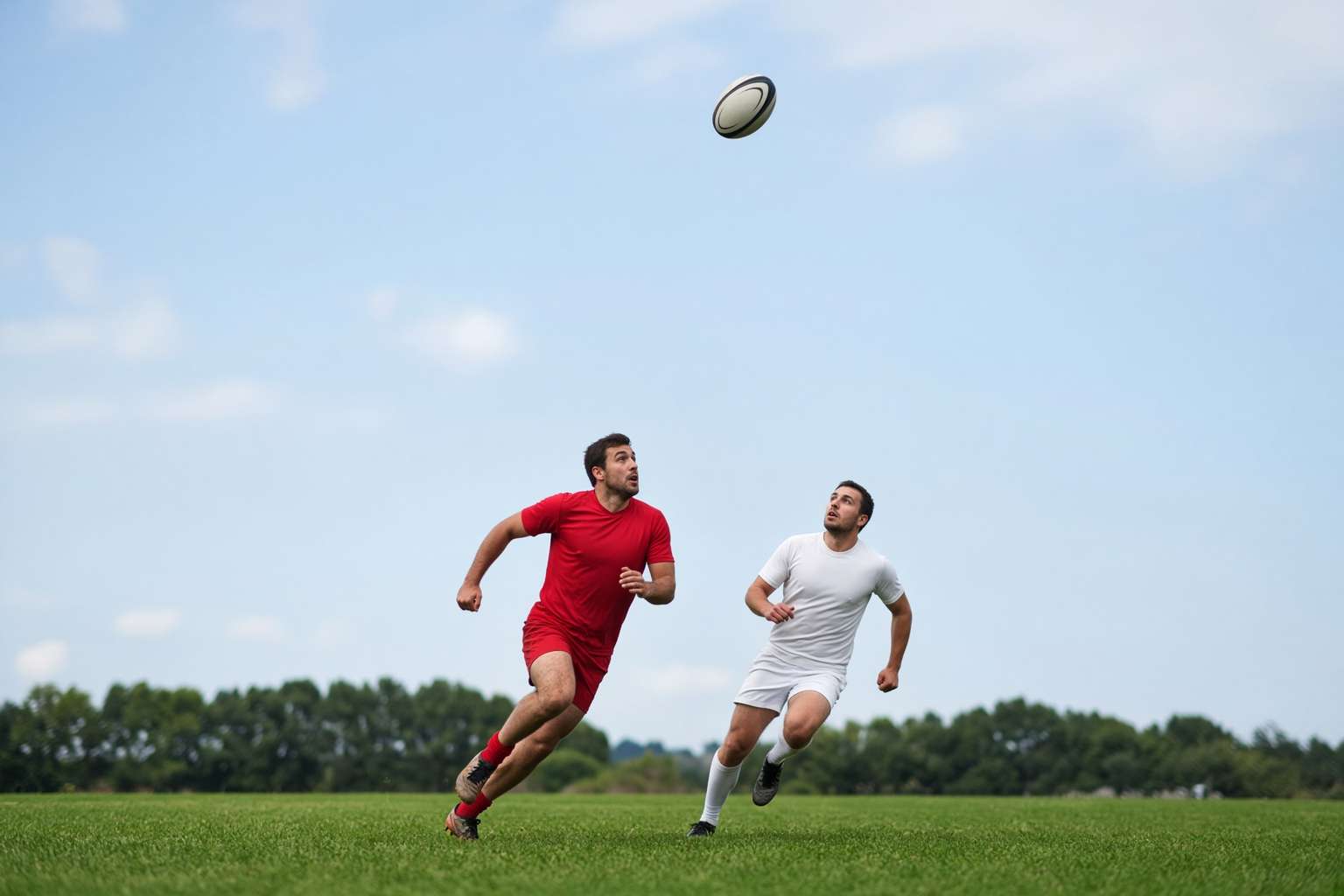
A high ball is not a surrender if the chase arrives before the catcher has a plan.
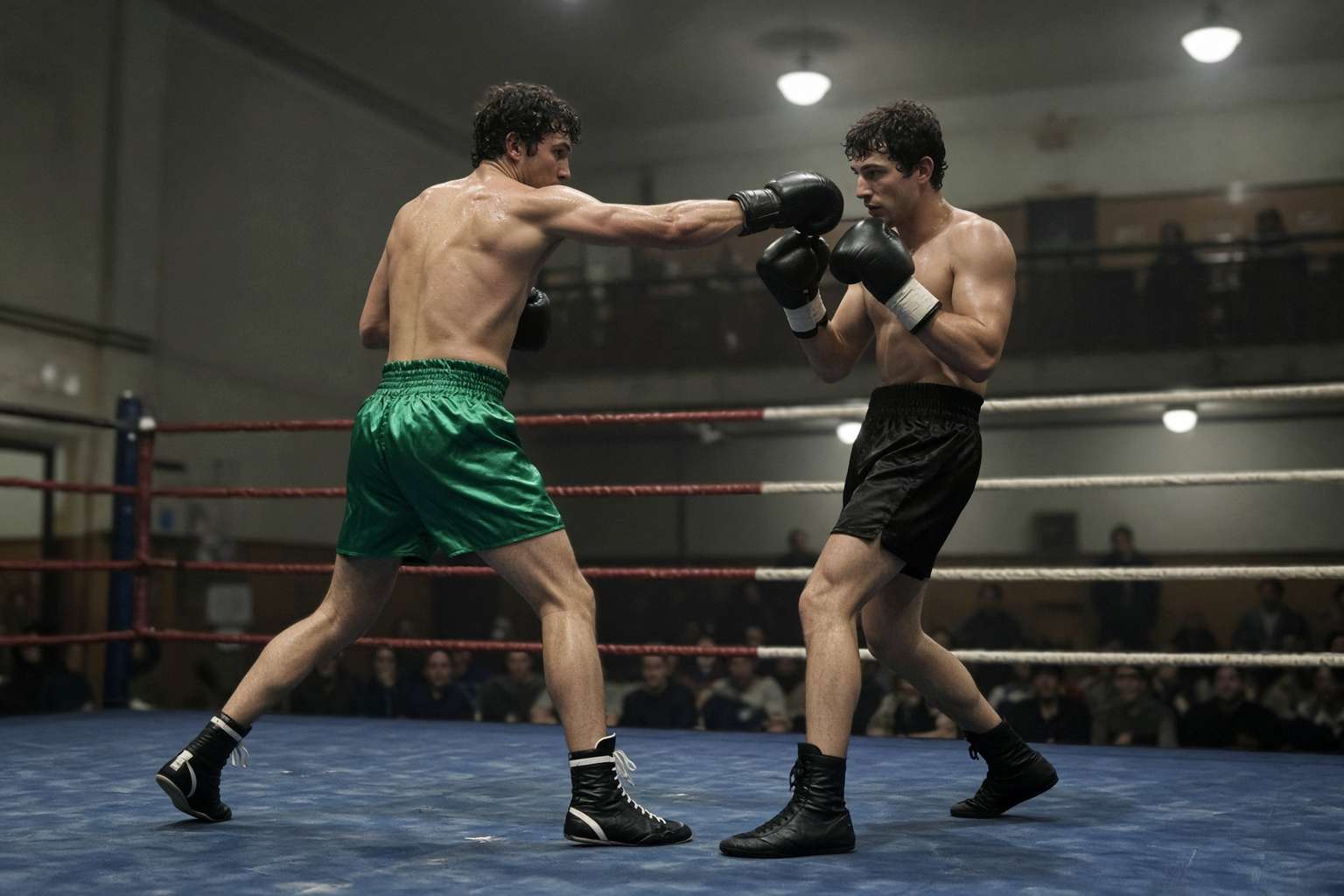
The open side looks free until the right hand lands because the lead foot never moved.
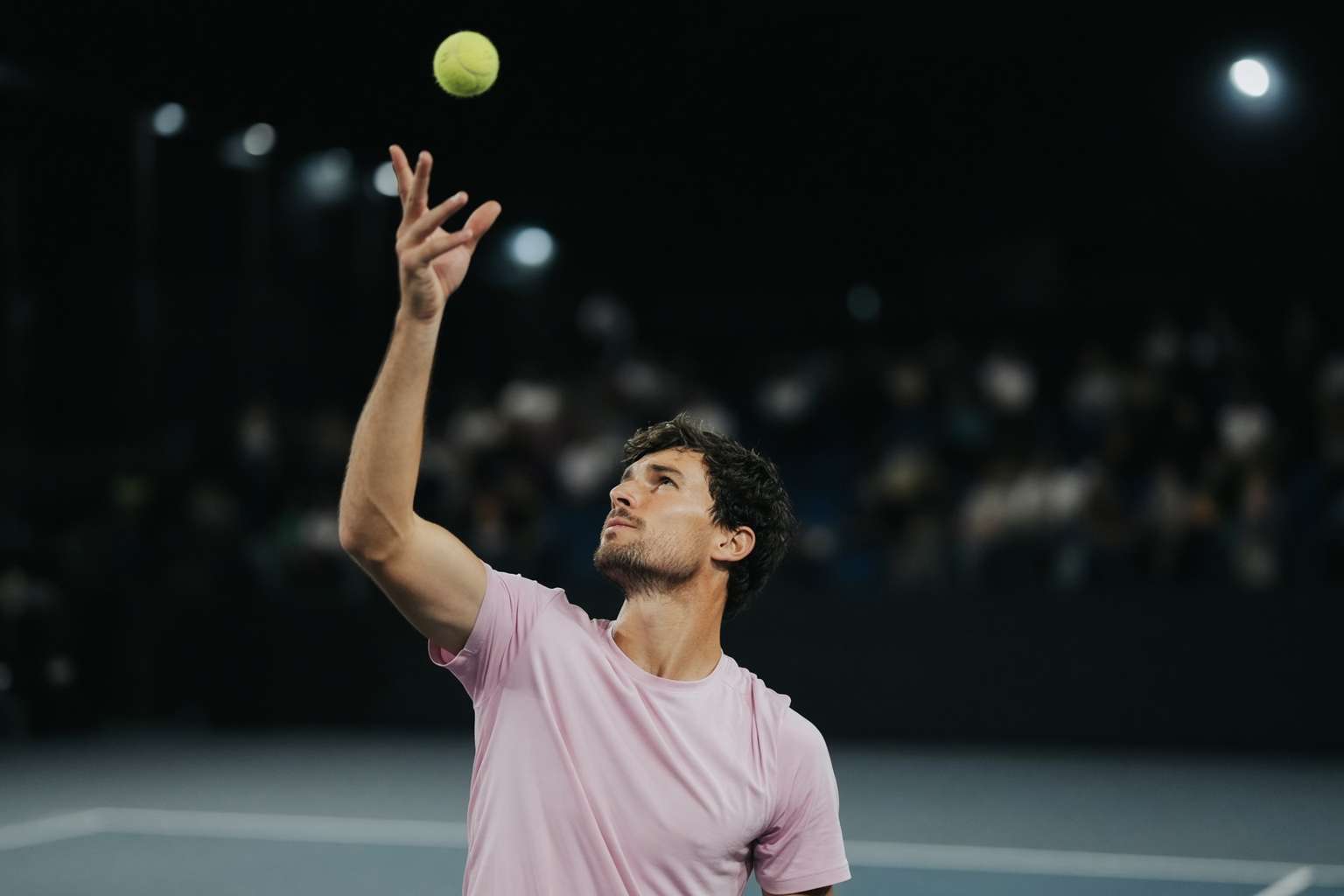
A tiebreak looks like nerve. It is usually the percentage of unreturned first serves over seven points.
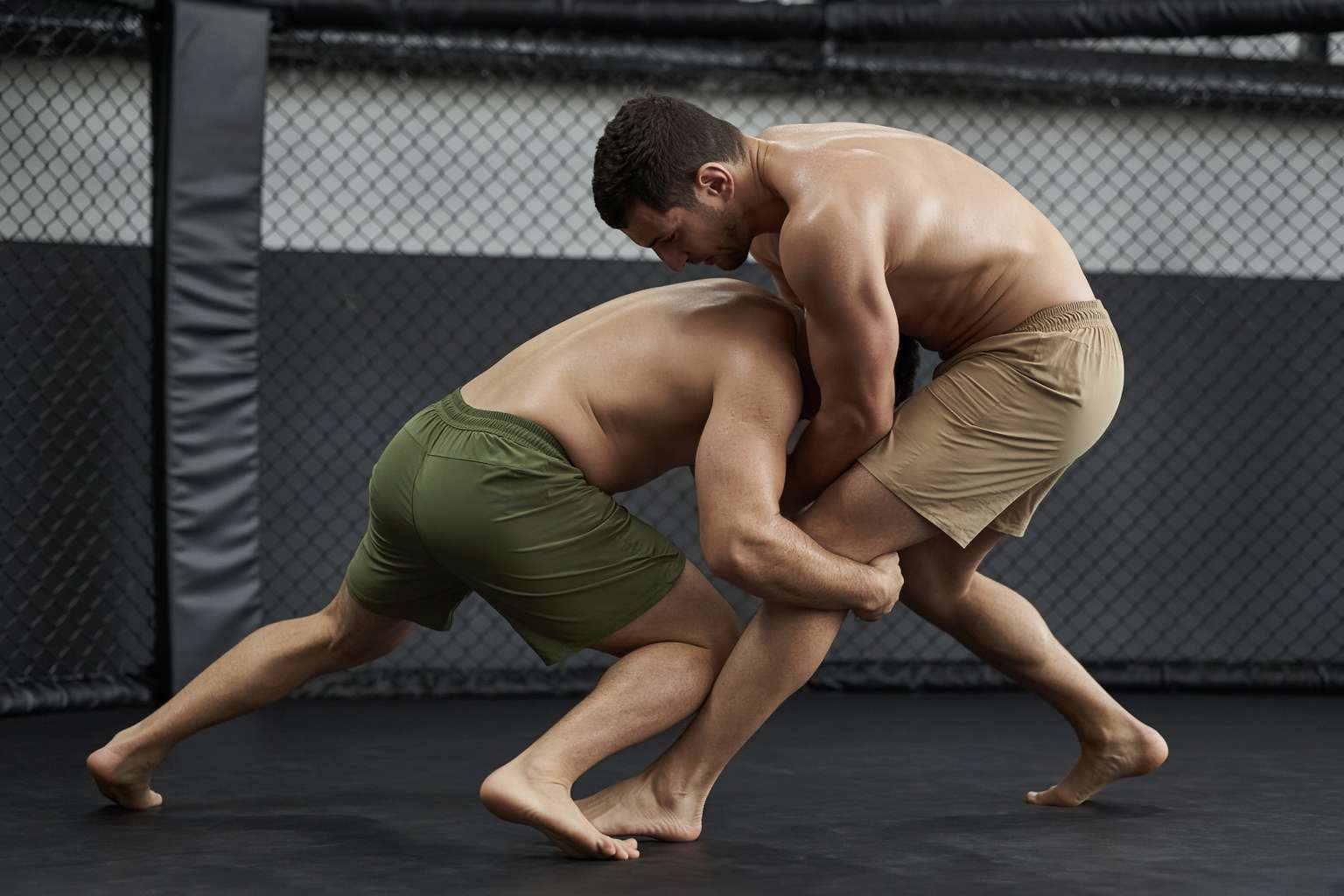
A shot from too far is a knee. A shot after a jab that made the head still is a takedown.
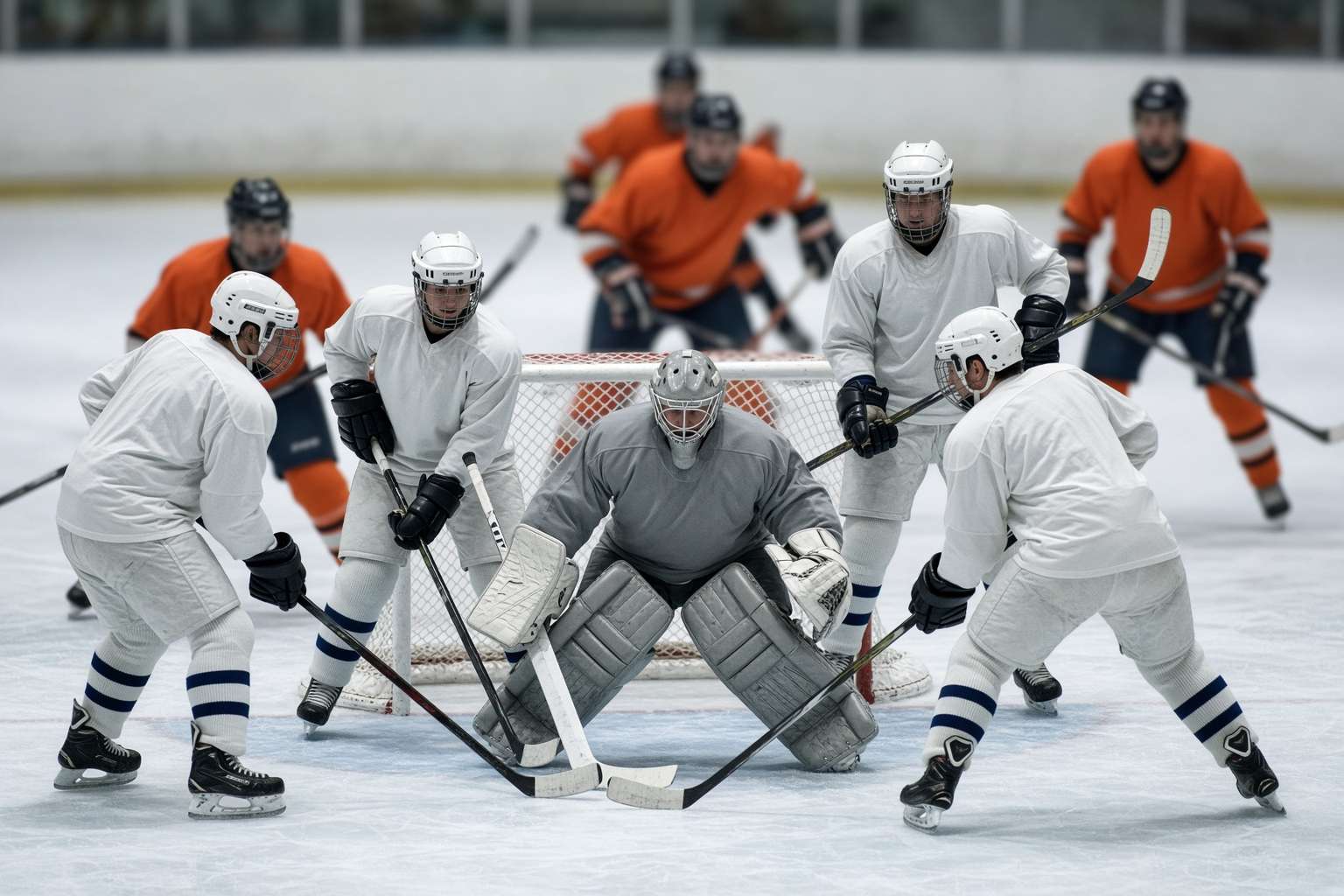
The box that stays a box forces the power play to the outside. The box that chases turns into a highlight against.
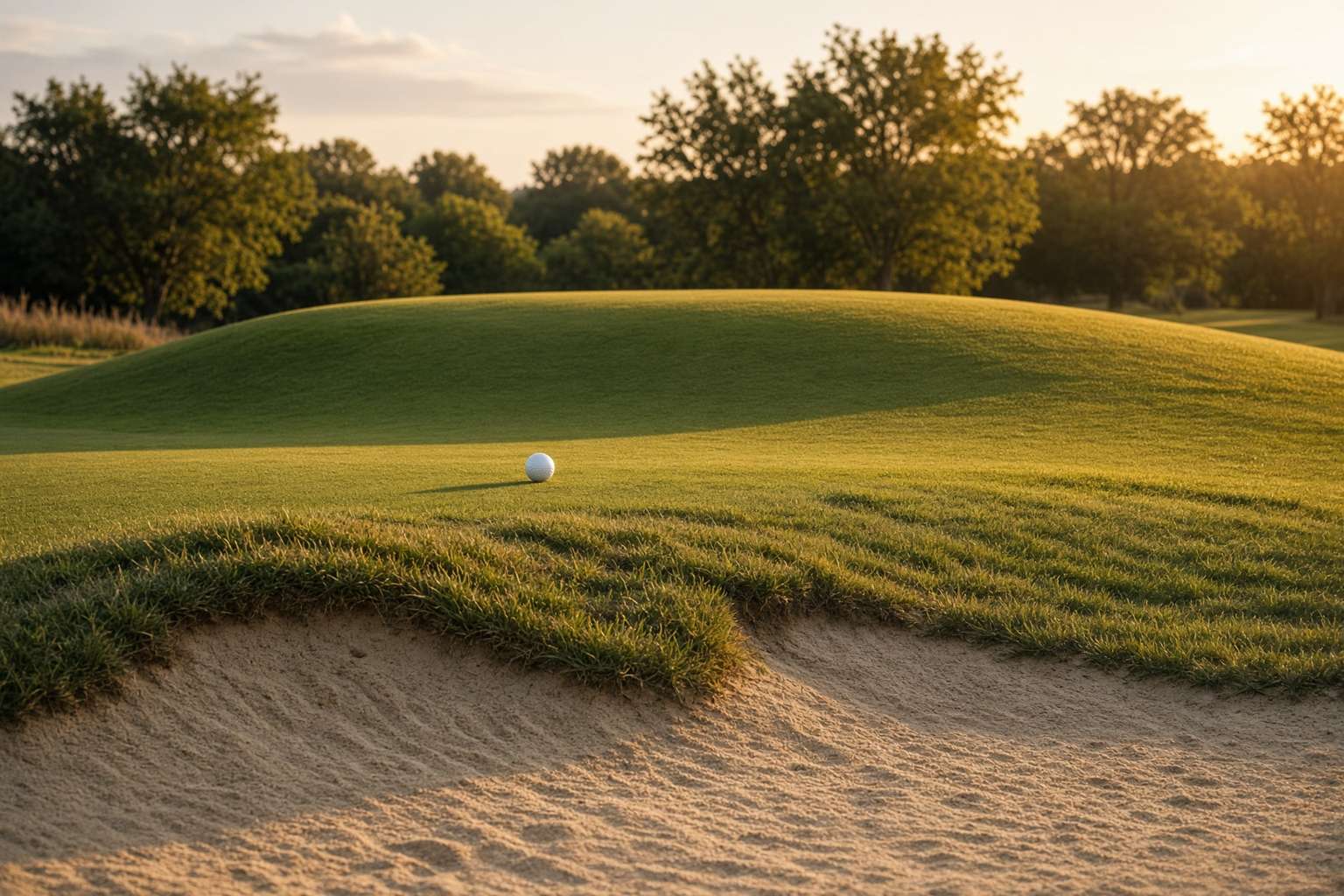
A firm surface does not reward the shot that lands on the flag. It rewards the shot that lands short of the trouble and still finishes on the green.
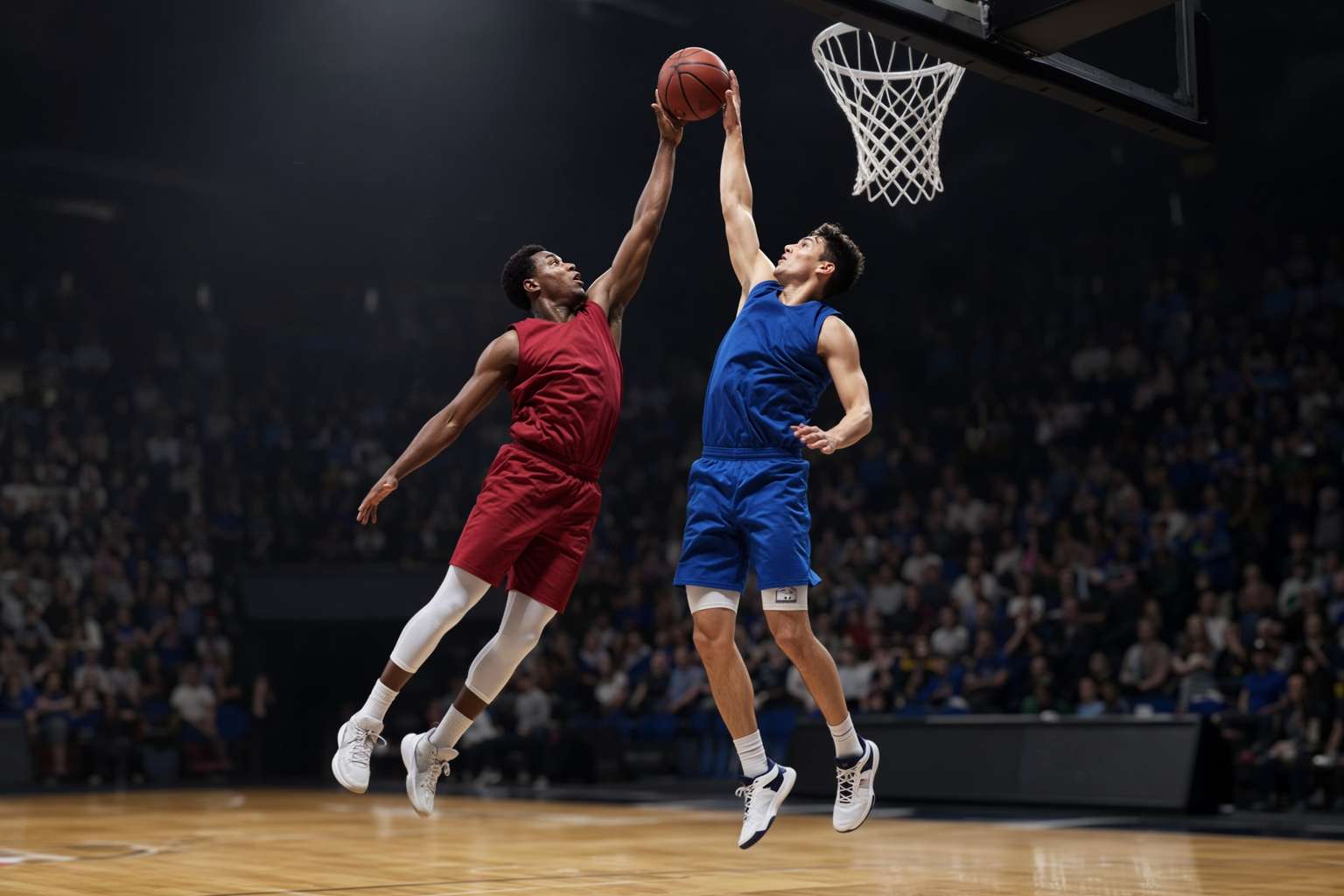
Usage charts do not rebound. The player who keeps the miss in the building sets the next possession.
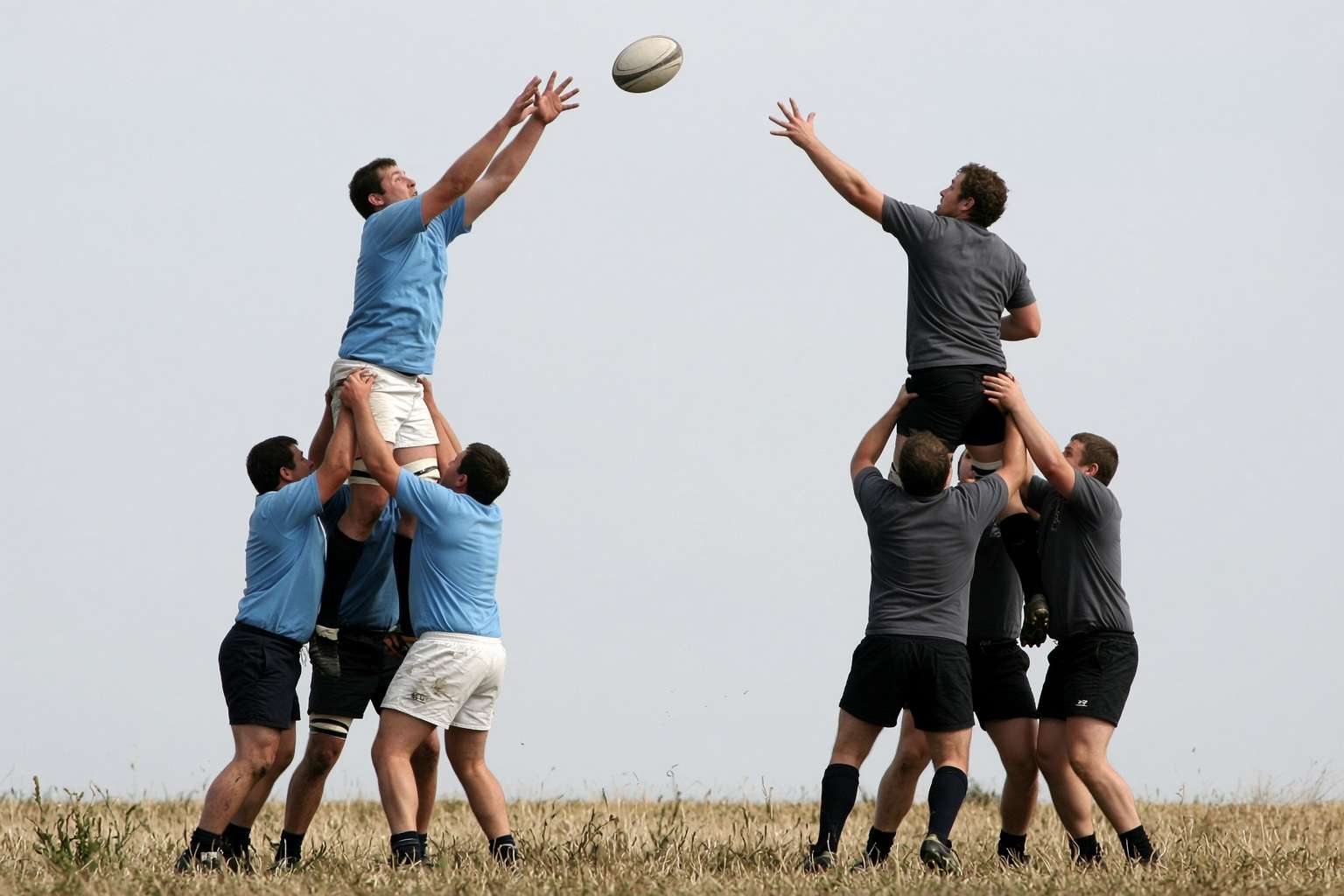
A clean take in the middle is the first phase of an attack, or it is a chance already wasted.
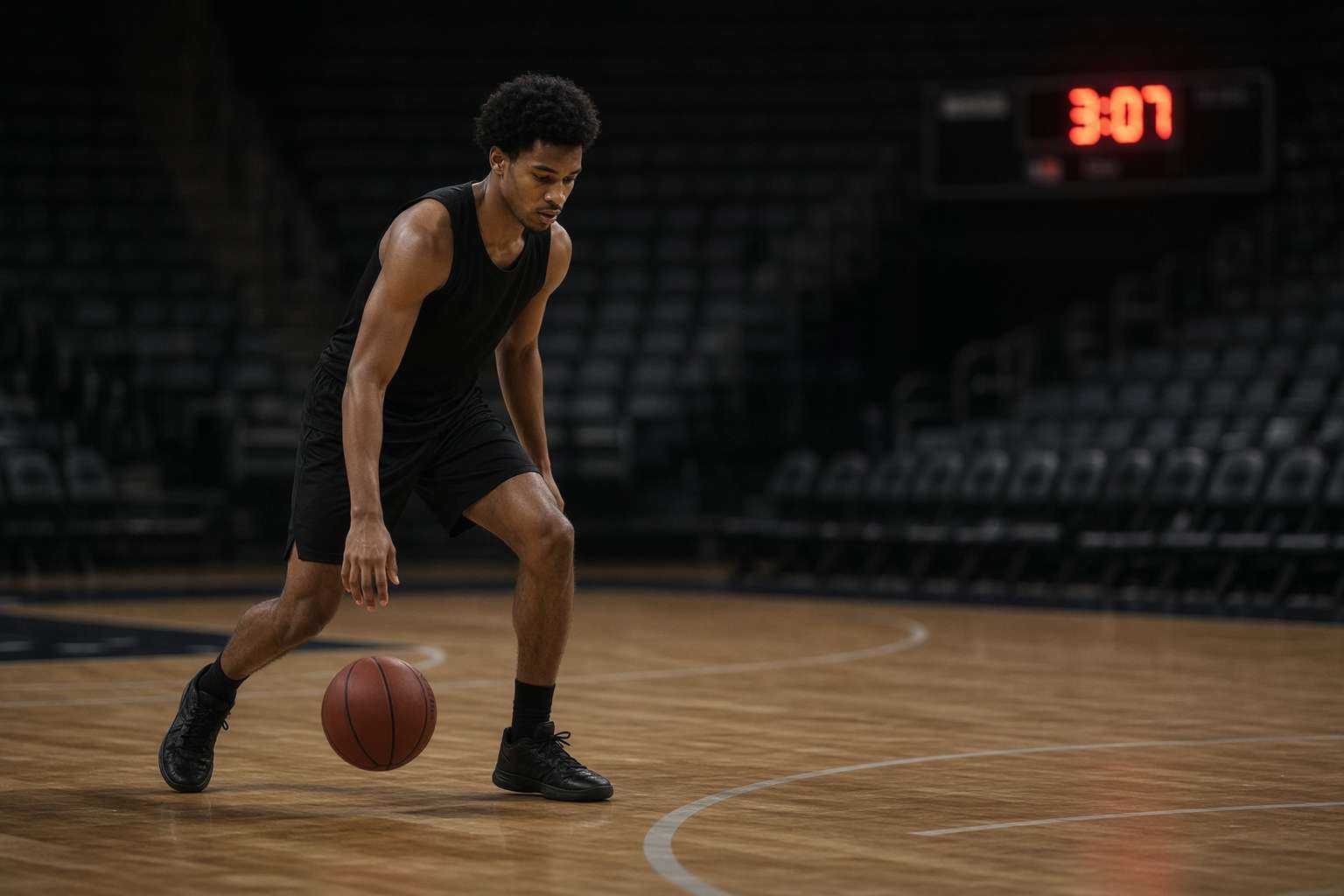
The last eight seconds of a shot clock reveal whether a team has a second action or only a shrug.
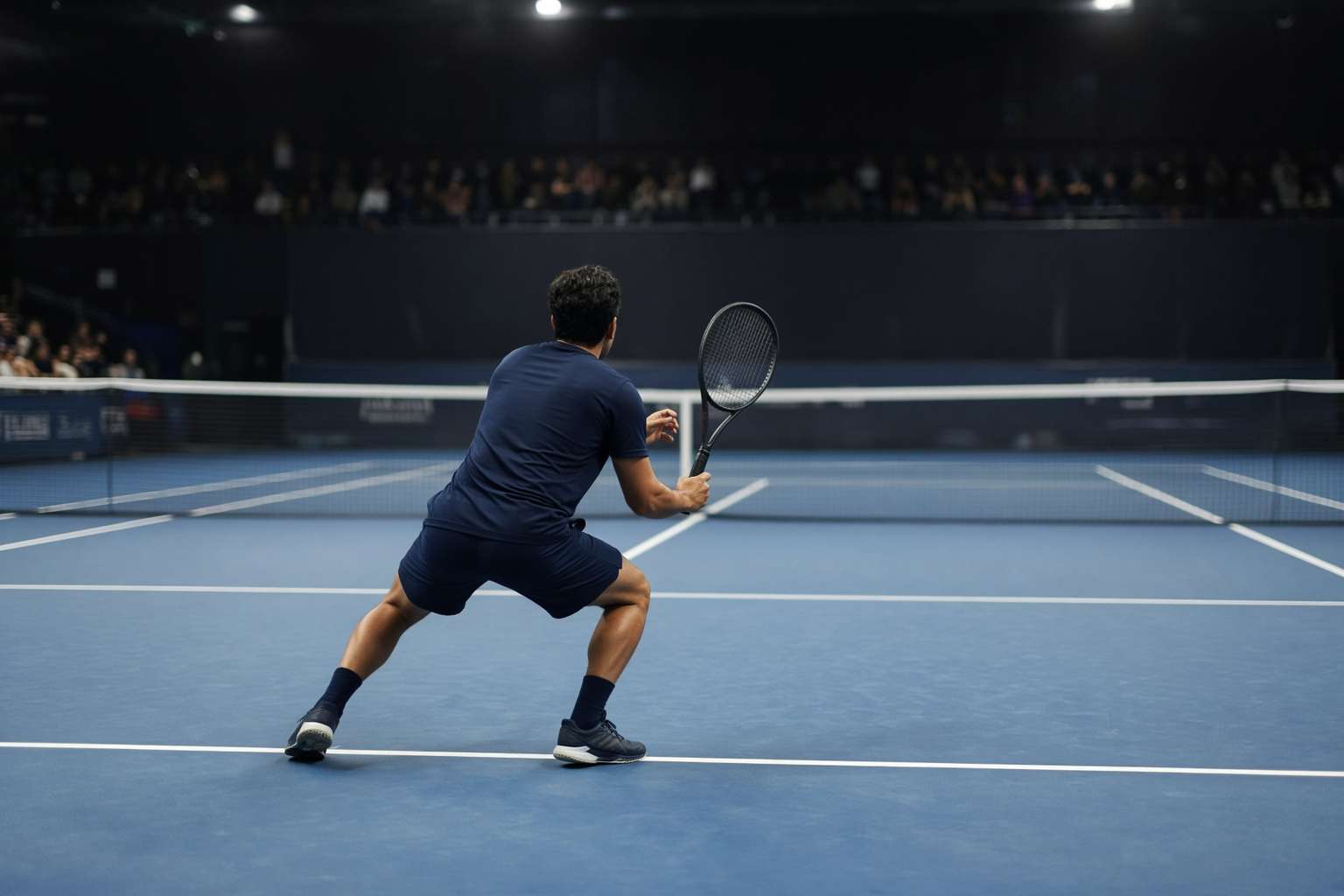
Where a player stands on the second serve announces the rest of the point.
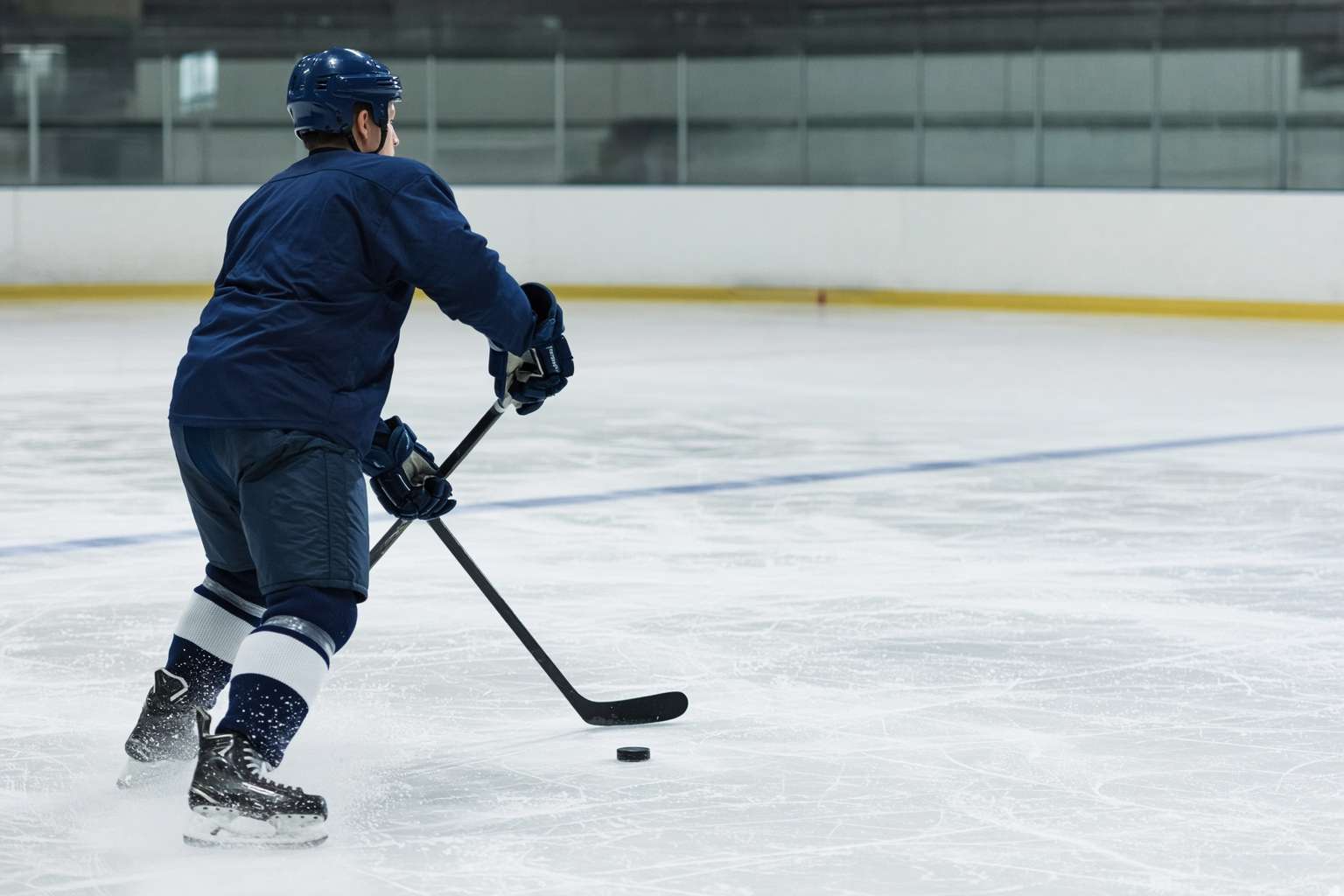
A clean exit up the strong side is worth more than a rush that ends with a shot from the perimeter.